7 Best Quality Home Windows for Maximum Energy Efficiency
When it comes to enhancing your home's energy efficiency, selecting the right windows is crucial. Quality home windows not only improve aesthetic appeal but also play a significant role in regulating indoor temperature and reducing energy consumption. With advancements in window technology, homeowners are presented with a myriad of options that cater not just to insulation but also to durability and style.
In this guide, we will explore the seven best quality home windows that prioritize energy efficiency, helping you make informed decisions that can lead to long-term savings on utility bills. By investing in these high-performance windows, you can create a comfortable living environment while contributing to a more sustainable future.
Join us as we delve into the features, benefits, and considerations that define the best windows for your home.
Factors to Consider When Choosing Energy-Efficient Home Windows
When choosing energy-efficient windows for your home, several key factors must be considered to ensure maximum efficiency and comfort. First, look for the type of window frame material; options include vinyl, wood, fiberglass, and aluminum, each offering different insulation benefits. Vinyl is often praised for its low maintenance and high energy efficiency, while wood provides natural insulation if properly treated and maintained.
Another important factor is the glazing or window glass. Double or triple-pane glass windows filled with argon or krypton gas can significantly reduce heat transfer, keeping your home warmer in winter and cooler in summer. Consider windows with low-emissivity (low-E) coatings, as they help reflect heat back into the room and minimize UV exposure.
Tips: Always check for the Energy Star label when selecting windows; this certification indicates the product meets strict energy efficiency guidelines. Additionally, consider the window’s U-factor and Solar Heat Gain Coefficient (SHGC) ratings. A lower U-factor indicates better insulation, while a suitable SHGC rating will depend on your climate and the orientation of your windows. Proper installation is also crucial for maximizing energy efficiency, so be sure to hire a qualified professional to ensure a perfect fit.
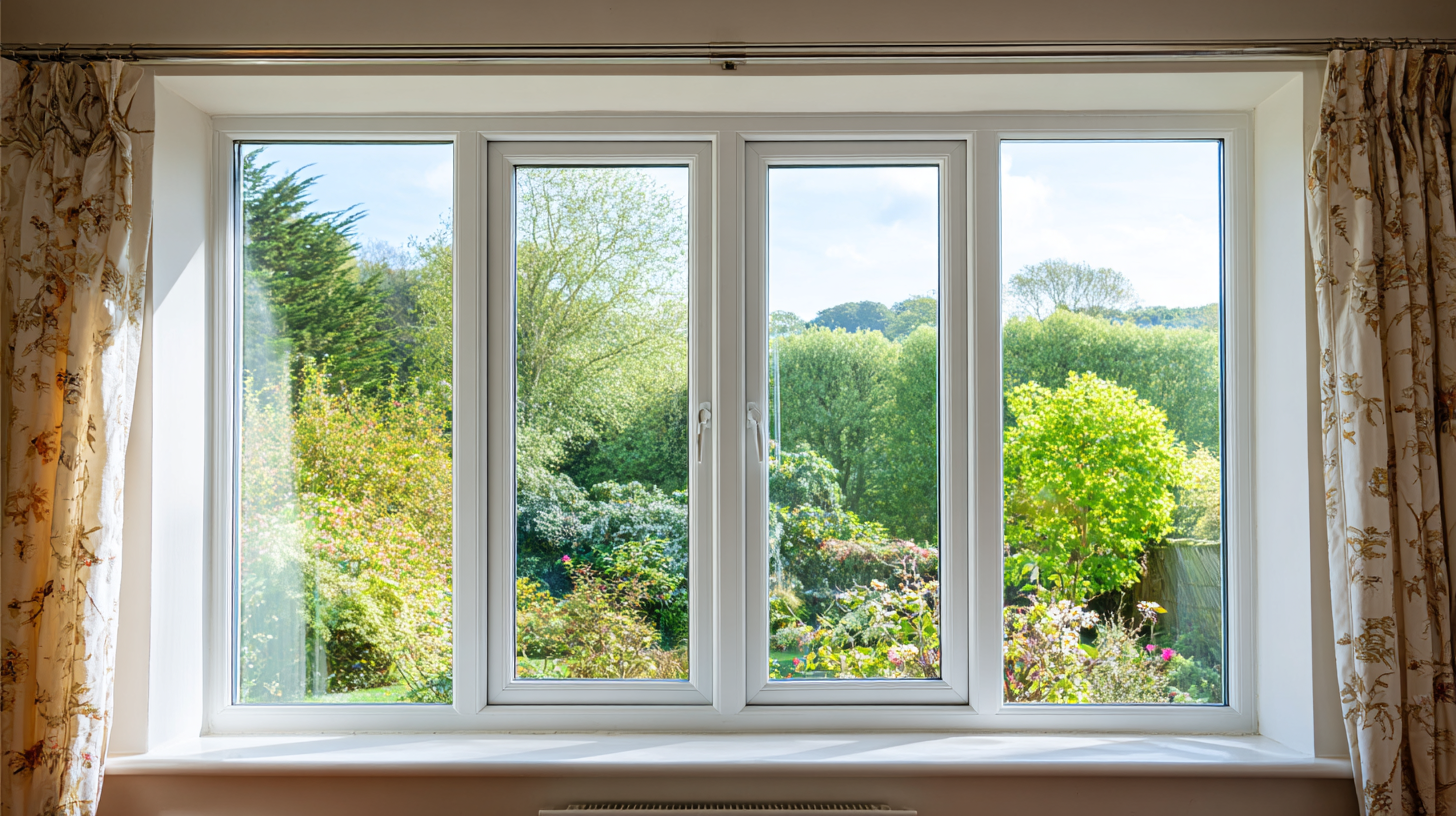
Types of Energy-Efficient Windows: Pros and Cons Explained
When selecting energy-efficient windows for your home, understanding the various types available and their pros and cons is essential. According to the Efficient Windows Collaborative, windows account for approximately 10-25% of a home's energy loss, making the selection of high-quality windows critical for energy conservation. Among the popular types are double-pane windows, which feature two layers of glass that provide superior insulation. These windows have been shown to reduce energy bills by 18-24%% compared to single-pane options.
Another noteworthy option is Low-E (low emissivity) glass, which is coated to reflect heat while allowing sunlight to enter. The Department of Energy reports that Low-E windows can help save a household up to 15% on energy costs, particularly in climates that experience extreme temperatures. However, while these windows offer energy savings, they can be more expensive upfront. Choosing the right type for your home will depend on factors like climate and budget, but the long-term benefits in energy efficiency often outweigh the initial investment.
Key Features of High-Performance Windows for Home Efficiency
When selecting high-performance windows for your home, consider key features that enhance energy efficiency. One of the most crucial aspects is the window frame material. Options like vinyl, fiberglass, and wood-clad frames offer excellent insulation properties, helping to reduce heat transfer. Additionally, look for windows with multiple panes, as double or triple glazing significantly decreases energy loss while providing better sound insulation.
Another important feature is the Low-E (low emissivity) glass coating, which reflects heat back into your home during winter while keeping it out during summer. This technology can substantially cut down on your heating and cooling costs. To further enhance energy efficiency, ensure your windows have a high Energy Star rating, which indicates superior performance in terms of thermal efficiency.
Tips: When shopping for windows, always ask for the U-factor and Solar Heat Gain Coefficient (SHGC) ratings. These metrics will help you assess how well the windows insulate and prevent unwanted heat gain. Also, consider window installation; proper installation ensures that air leaks are minimized, complementing your windows' energy-saving features.
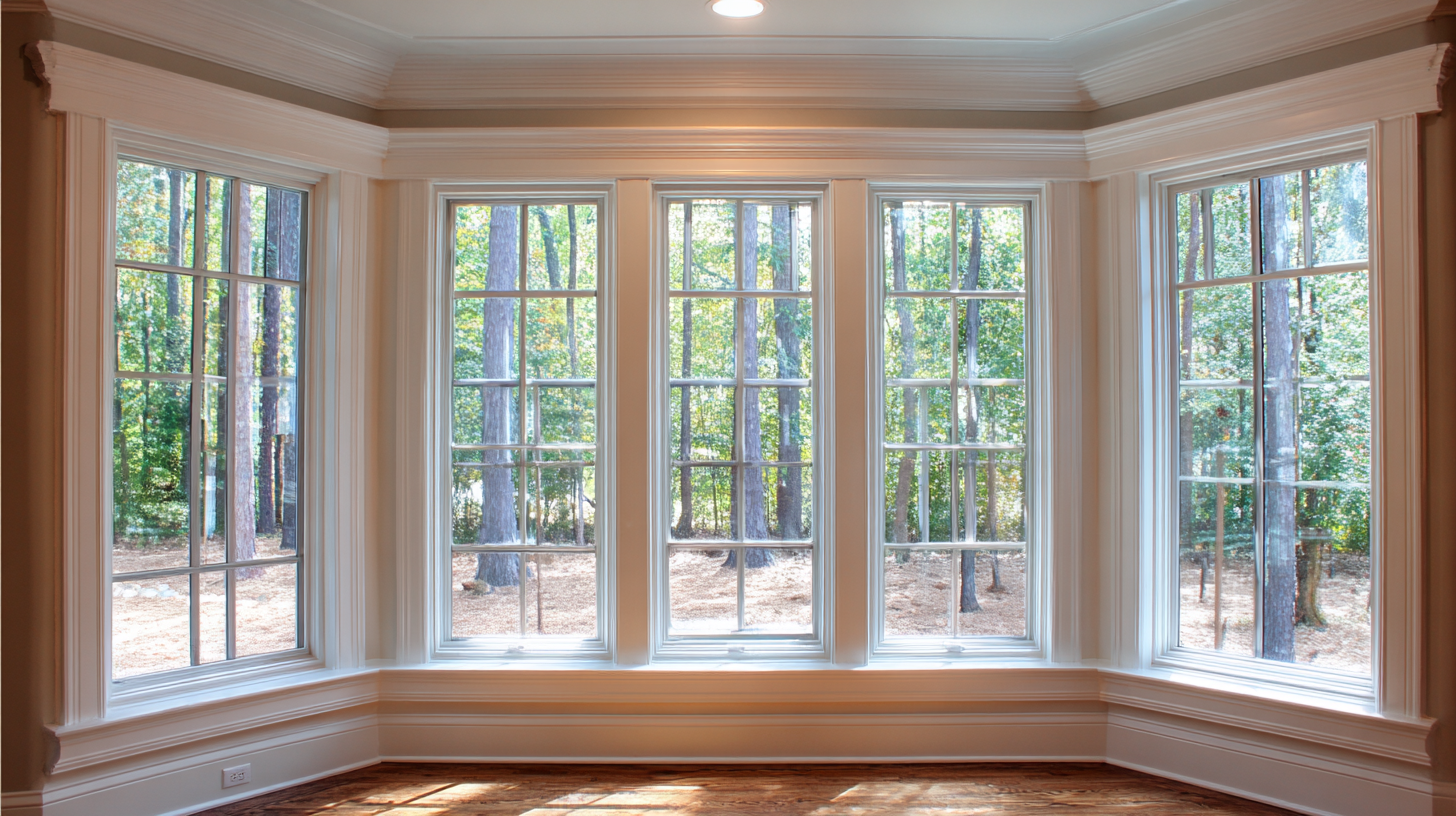
Installation Tips for Maximizing Window Energy Efficiency
When seeking to maximize energy efficiency in your home, the installation of high-quality windows is crucial. According to the U.S. Department of Energy, approximately 30% of a home's heating energy is lost through its windows. Therefore, selecting the right windows is only part of the equation; proper installation plays a vital role in ensuring they perform optimally. When installing windows, it’s essential to pay attention to the sealing process, which should be tight to prevent air leaks. A study by the National Renewable Energy Laboratory indicated that proper window installation can reduce heating and cooling costs by up to 15%.
Moreover, it's important to consider the local climate when choosing windows. ENERGY STAR® reports that homes in different regions benefit from various window types—double-pane insulated windows may be ideal in colder climates, while low-emissivity (Low-E) glass helps reduce heat gain in warmer areas. Utilizing insulated window frames and optimizing placement can also significantly enhance energy performance. Proper training and qualifications of the installation team further ensure that windows are fitted correctly, safeguarding against future energy losses and maximizing overall efficiency.
Maintenance Practices to Ensure Longevity of Energy-Efficient Windows
Maintaining the longevity of energy-efficient windows is crucial for maximizing their benefits, both in terms of energy savings and overall home value. Regular upkeep can significantly reduce the need for costly repairs or replacements. According to research, properly maintained windows can serve efficiently for over 20 years, contributing to up to 30% energy savings on heating and cooling costs. To ensure windows remain in optimal condition, homeowners should adhere to a simple maintenance routine.
Tips for Maintenance: Regularly inspect your windows for any signs of wear or damage, such as cracked seals or loose frames. Cleaning the glass with a gentle detergent and scrub will help maintain clarity and efficiency. Additionally, applying a weather strip and caulk can effectively seal gaps that might compromise insulation, preserving the energy efficiency of these crucial home features.
Innovations in energy-efficient materials are paving the way for improved performance. Studies indicate that advanced insulated glazing technologies can reduce energy costs by up to 40% compared to traditional single-pane windows. As building practices evolve, incorporating these methods not only optimizes energy usage but also enhances the lifespan of the windows, making regular maintenance even more critical. By staying proactive, homeowners can ensure their windows not only remain functional but also contribute to environmental sustainability in the long run.
7 Best Quality Home Windows for Maximum Energy Efficiency
This chart displays the energy efficiency ratings of different window types, ranging from vinyl to low-E glass windows. Higher ratings indicate better energy efficiency, contributing to lower energy costs and enhanced home comfort.