Why Choose Energy Efficient House Windows for Your Home?
Choosing energy efficient house windows can significantly impact your home’s comfort and energy bills. According to the U.S. Department of Energy, windows account for up to 25-30% of residential heating and cooling energy use. Energy-efficient windows help reduce this loss. They are designed to keep your home warmer in winter and cooler in summer.
Many homeowners overlook the importance of window choice. Improved insulation and low-E coatings enhance window performance. The Energy Star program shows that replacing single-pane windows with energy-efficient options can save homeowners approximately $125 to $465 annually. This data highlights the financial benefits.
Consider the aesthetic appeal as well. House windows come in various styles, contributing to your home’s charm. However, selecting the right type can be overwhelming. Not all windows are created equal, and many homeowners might make choices that do not maximize potential savings. Reflecting on these options can lead to better decision-making and highlight the significant benefits of energy-efficient house windows.
Benefits of Energy Efficient Windows for Homeowners
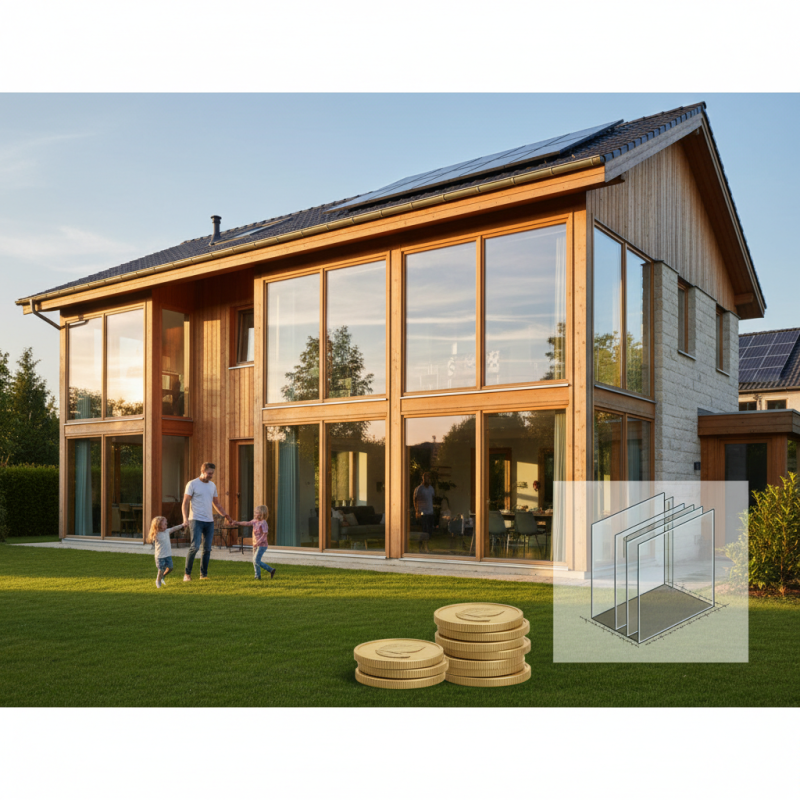
Energy-efficient windows offer numerous benefits for homeowners. These windows help reduce energy consumption, leading to lower utility bills. By maintaining a comfortable indoor temperature, they eliminate the need for excessive heating or cooling. Homeowners can save significantly when the weather changes. For instance, during hot summer days, these windows keep the heat out much better than traditional ones.
Choosing energy-efficient windows also provides additional comfort. They reduce drafts, making a home feel warmer in winter and cooler in summer. Homeowners enjoy improved indoor comfort year-round. Moreover, energy-efficient windows often come with features like low-emissivity coatings, which help reflect heat. This can make a noticeable difference over time. However, some may find the initial investment high. It’s essential to weigh the long-term savings against upfront costs.
Additionally, energy-efficient windows contribute to environmental sustainability. By consuming less energy, they help reduce carbon footprints. Homeowners often seek eco-friendly solutions, and these windows align perfectly with that goal. Yet, not all windows perform equally. Researching different options helps ensure the right choice is made. Adjusting to these new ideas may take time, but the benefits are hard to ignore.
Understanding Energy Efficiency Ratings and Their Importance
Energy efficiency ratings are crucial when selecting windows for your home. These ratings indicate how well a window insulates against heat transfer. Higher ratings typically translate to lower energy bills. According to the U.S. Department of Energy, energy-efficient windows can save homeowners an average of 12-15% on heating and cooling costs annually.
When shopping for windows, you may encounter various ratings, including U-factor, solar heat gain coefficient, and Energy Star certification. The U-factor measures insulation effectiveness. Lower numbers are better. Solar heat gain coefficients indicate how much heat from sunlight enters your home. Lower values help keep homes cooler.
**Tip:** Look for windows with a U-value around 0.30 or lower for optimal performance. However, remember that energy-efficient options can sometimes cost more upfront. Reflect on your budget and long-term savings carefully.
Consider the installation process, too. Even the best windows can underperform if not installed correctly. Research local professionals. Ask about their experience with energy-efficient installations. Proper sealing and fitting ensure that your investment provides maximum insulation and savings.
**Tip:** Always get multiple quotes. Compare their values not just on price but on performance metrics and reviews. This process can reveal hidden costs or overlooked benefits. Each step counts in your journey toward a more energy-efficient home.
Energy Efficiency Ratings of House Windows
The chart above illustrates the Energy Efficiency Ratings (U-Factor) of different types of house windows. A lower U-Factor indicates better energy efficiency, making double and triple pane windows significantly more effective than single pane windows in retaining indoor temperatures.
Types of Energy Efficient Windows Available on the Market
When considering energy-efficient windows, it's key to know the types available. These windows help reduce energy bills and enhance comfort.
Double-pane windows are common. They feature two layers of glass with gas between them. This design minimizes heat loss significantly.
Another option is low-emissivity (low-E) glass. This glass has a special coating that reflects heat. It keeps warmth inside during winter and blocks heat in summer.
It can feel like an investment, but the benefits often outweigh the initial costs.
You might also consider vinyl windows. They are affordable, low-maintenance, and offer good insulation. While sometimes seen as less attractive, they come in various colors and styles.
While choosing, don’t overlook how the local climate affects performance. Each type has its pros and cons, so research is crucial.
Making a decision may feel overwhelming. It’s worth taking the time to find the right fit for your home.
Installation Considerations for Energy Efficient Windows
When considering energy-efficient windows, installation is a critical step. Proper sizing is essential. Windows that don’t fit well can lead to drafts. Gaps around the frames can cause energy loss. It is vital to measure carefully before purchasing. Take into account both width and height. Inaccurate measurements may lead to regrettable choices.
Installation techniques also matter significantly. An experienced installer can ensure a proper seal. Poor installation can negate energy savings. It’s important to verify the construction of the wall before installing new windows. Inspect for any damage or moisture issues. This step is often overlooked. It’s easy to get caught up in the excitement of new features.
Choosing the right materials is another aspect to ponder. Frames made from different materials offer various insulation properties. Vinyl, wood, or fiberglass all behave differently under changing temperatures. Reflect on which suits your home best. However, this can be confusing. Weigh the pros and cons thoroughly. Each choice has implications for energy efficiency and maintenance in the long term.
Long-term Cost Savings and Environmental Impact of Efficient Windows
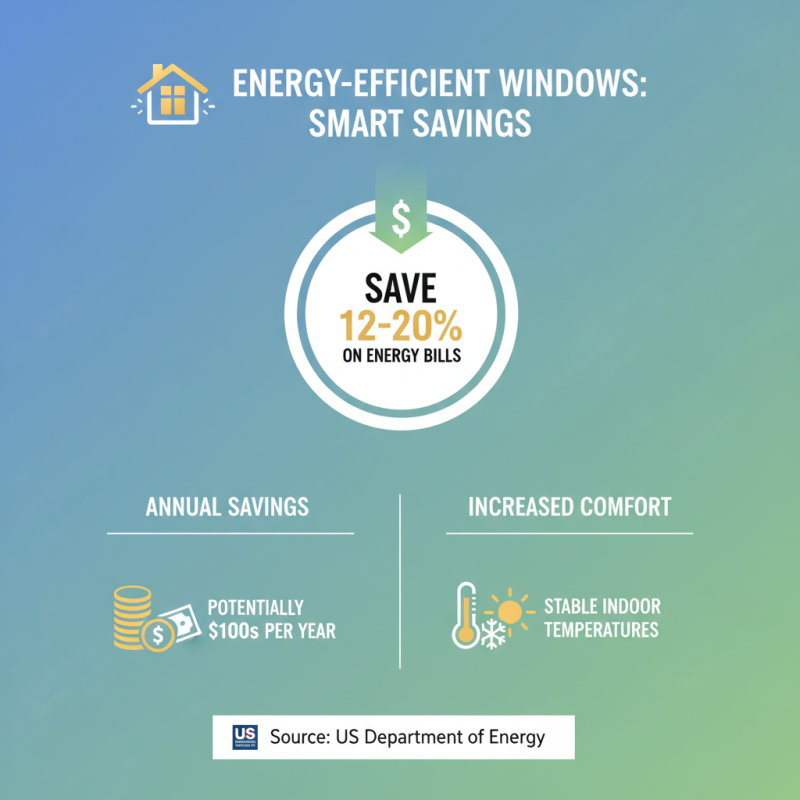
Energy-efficient windows can significantly reduce energy costs over time. According to the U.S. Department of Energy, homeowners can save 12% to 20% on heating and cooling bills by upgrading to energy-efficient windows. This reduction leads to substantial savings, potentially totaling hundreds of dollars annually. It’s a smart financial decision for homeowners who want to cut expenses without sacrificing comfort.
The environmental benefits are noteworthy as well. Studies show that energy-efficient windows can lower greenhouse gas emissions by reducing the demand for energy. The Environmental Protection Agency states that if every U.S. household replaced just one window with an energy-efficient option, we could collectively avoid emissions equivalent to taking more than 2 million cars off the road. However, while the benefits are clear, some may find the initial investment daunting. Balancing short-term costs with long-term gains can be challenging. Not everyone sees the immediate return, and many are uncertain about taking that first step.