How to Choose the Perfect House Windows for Energy Efficiency and Style
 Choosing the right house windows is a crucial decision for homeowners, not only impacting the aesthetic appeal of a property but also significantly affecting energy efficiency and utility costs. According to the U.S. Department of Energy, windows can account for up to 30% of a home’s heating and cooling energy use, making energy-efficient options essential for reducing overall expenses. The National Fenestration Rating Council (NFRC) reports that windows with a lower U-factor and Solar Heat Gain Coefficient (SHGC) ratings can help maintain comfortable indoor temperatures throughout the year. Furthermore, studies show that homes with energy-efficient window replacements can see a return on investment of over 70% when it comes time to sell. Therefore, understanding the balance between style, performance, and energy efficiency is vital for homeowners seeking to upgrade their house windows. This guide aims to provide insights into making informed choices that harmonize both aesthetic desires and energy-saving needs.
Understanding Energy Efficiency Ratings for Windows
When selecting windows for your home, understanding energy efficiency ratings is crucial. These ratings help homeowners gauge how effectively a window insulates against heat transfer.
 The Energy Star label, for instance, indicates that a window meets strict energy efficiency guidelines set by the Environmental Protection Agency (EPA).
Look for windows with low U-values, which represent the rate of heat transfer; the lower the U-value, the better the window's insulation. Additionally, the Solar Heat Gain Coefficient (SHGC) measures how much solar radiation passes through the window. A lower SHGC means improved energy performance, especially in warmer climates where heat gain can significantly impact cooling costs.
The Energy Star label, for instance, indicates that a window meets strict energy efficiency guidelines set by the Environmental Protection Agency (EPA).
Look for windows with low U-values, which represent the rate of heat transfer; the lower the U-value, the better the window's insulation. Additionally, the Solar Heat Gain Coefficient (SHGC) measures how much solar radiation passes through the window. A lower SHGC means improved energy performance, especially in warmer climates where heat gain can significantly impact cooling costs.
Another important aspect of energy efficiency ratings is the visible transmittance (VT), which measures how much natural light comes through the window. High VT ratings allow for ample daylight, reducing the need for artificial lighting, while still maintaining insulation.
Homeowners should also consider window frames and materials, as they can impact overall energy efficiency.
Vinyl, fiberglass, and wood-clad frames often provide better insulation compared to aluminum frames.
By focusing on these energy efficiency ratings, homeowners can choose windows that not only enhance the aesthetic appeal of their homes but also contribute to long-term energy savings.
Exploring Different Window Styles and Their Aesthetic Appeal
When selecting windows for your home, the aesthetic appeal is just as crucial as energy efficiency. Different window styles can transform a house’s character and enhance its overall appearance. For instance, casement windows, which hinge at the side and open outward, create a contemporary look and offer unobstructed views. Their sleek design complements modern architecture while allowing for optimal ventilation—ideal for any eco-conscious homeowner.
On the other hand, double-hung windows are a classic choice that suits various architectural styles, from colonial to craftsman. Their traditional design, featuring two sashes that slide vertically, provides versatility in functionality while maintaining a timeless charm. Furthermore, adding decorative window grids or shutters can further elevate their aesthetic, giving your home a personalized touch. Ultimately, choosing the right window style involves balancing visual appeal with functional benefits, ensuring your home stands out while being energy efficient.
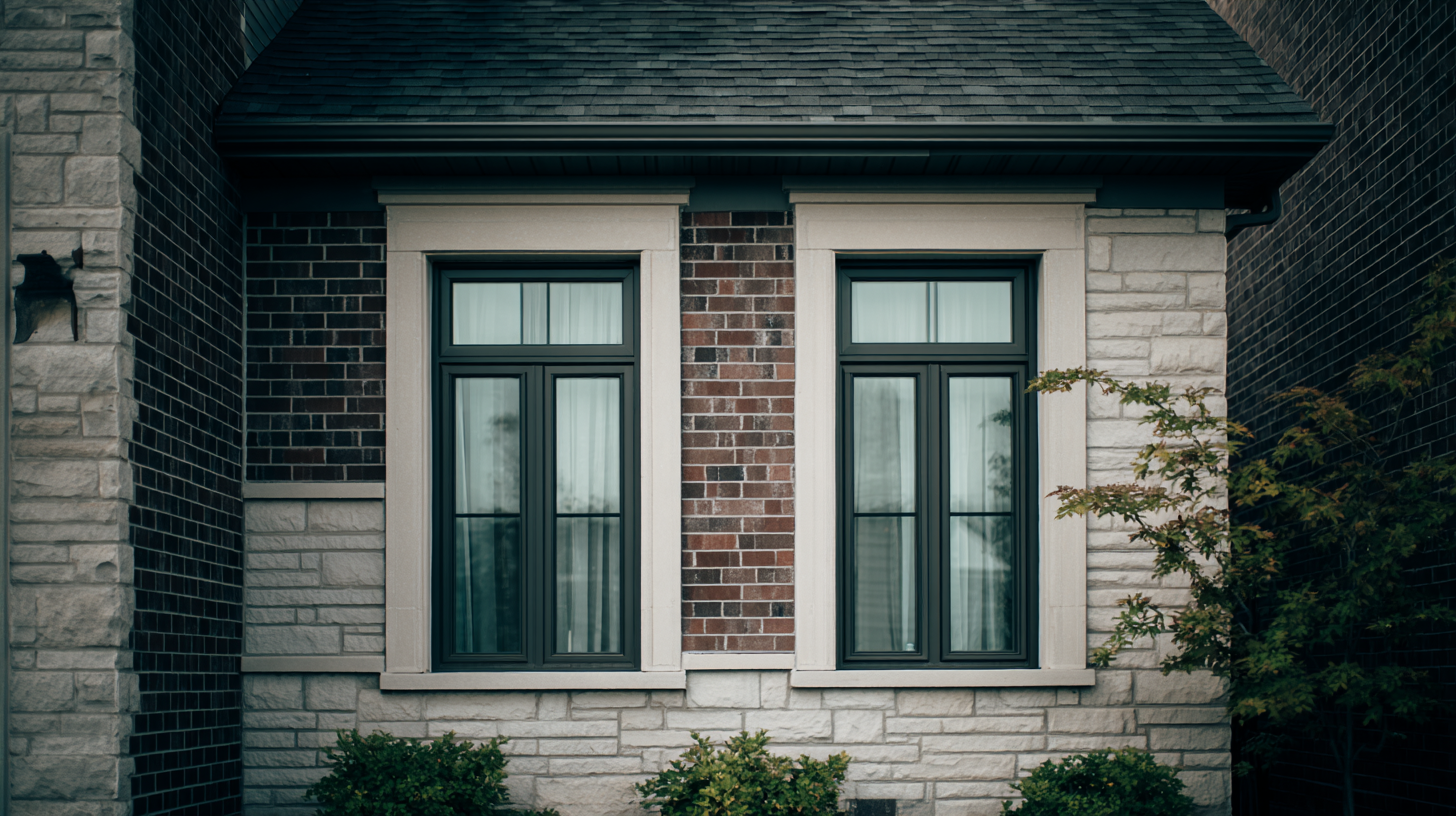
Materials Matter: Choosing Between Vinyl, Wood, and Aluminum
When choosing house windows, the materials play a crucial role in both
energy efficiency and
aesthetic appeal. The three primary materials—vinyl,
wood, and aluminum—each come with distinct advantages and drawbacks.
Vinyl windows are known for their excellent insulation properties and low maintenance needs, making them a popular choice among homeowners seeking
long-term energy savings. They are also available in various colors and finishes, allowing for versatility in design.
On the other hand, wood windows offer a classic and warm appearance that can enhance the overall charm of a home. They provide good insulation,
but require regular maintenance to prevent warping and deterioration over time. Finally, aluminum windows are favored for their strength and durability,
particularly in areas with extreme weather conditions. They can be designed with thermal breaks to improve energy efficiency, but usually, they are less insulative than
vinyl or wood options. Ultimately, the right window material will depend on the homeowner’s specific needs, budget, and desired aesthetic.
Tips for Selecting the Right Window Size and Placement
Choosing the right window size and placement is crucial for achieving both energy efficiency and aesthetic appeal in a home. According to the U.S. Department of Energy, windows account for about 25-30% of residential heating and cooling energy use. Therefore, selecting appropriately sized windows can dramatically reduce energy consumption.
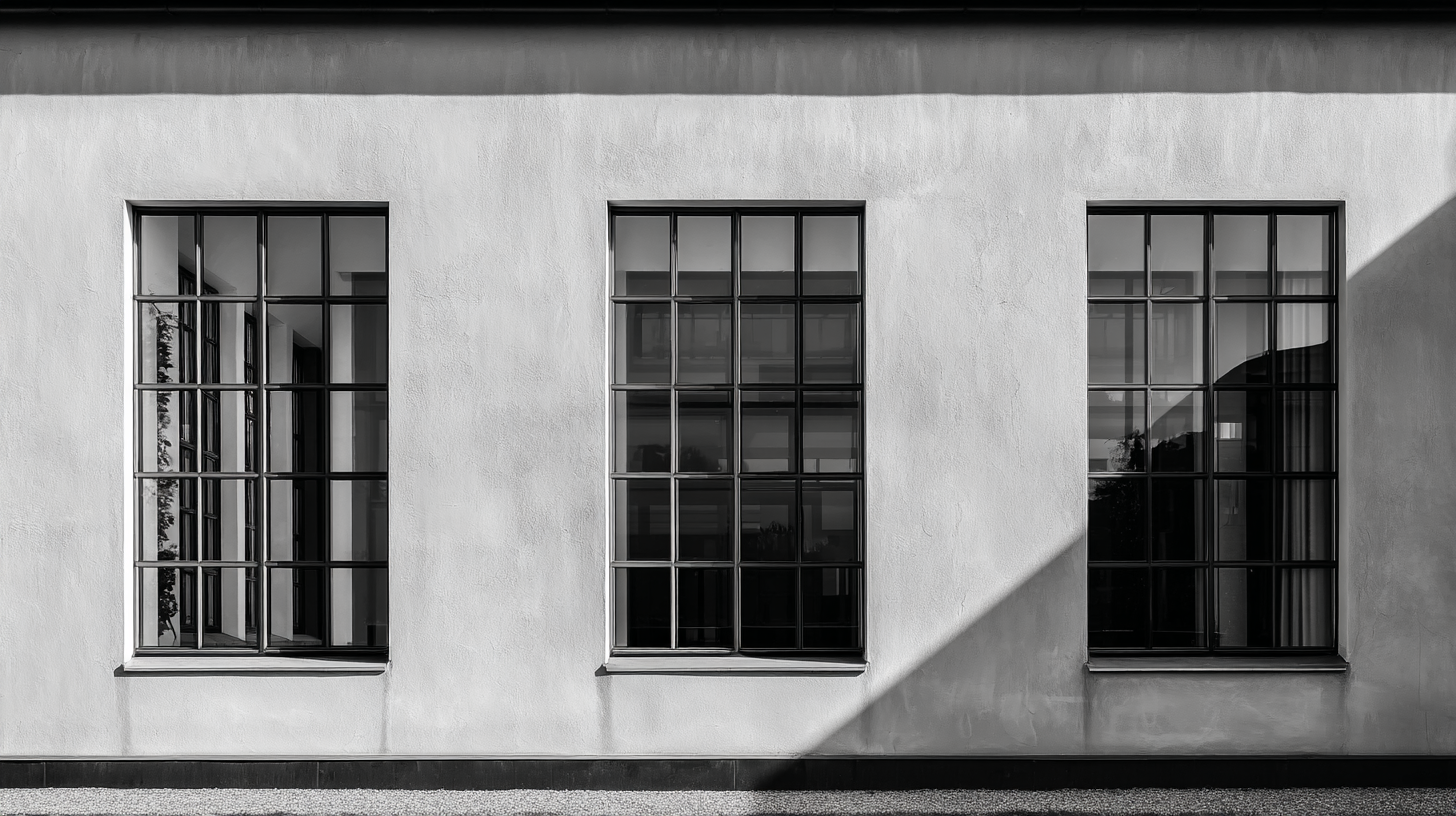 Larger windows can enhance natural light but may require additional insulation techniques to prevent heat loss or gain, particularly in extreme climates.
Placement is equally important; for instance, south-facing windows can capture heat in winter while reducing reliance on artificial lighting. The American Society of Heating, Refrigerating and Air-Conditioning Engineers recommends careful consideration of window orientation and shading. Incorporating overhangs or planting trees can mitigate unwanted heat gains during summer months. Additionally, Energy Star reports that utilizing double-glazed, low-E windows can improve energy performance significantly, yielding savings on energy bills while maintaining comfort levels throughout the year.
Balancing Cost and Long-Term Savings in Window Investment
Choosing the right windows for your home involves a careful balance between initial costs and long-term savings. Investing in energy-efficient windows can reduce your heating and cooling bills significantly over time, making them a worthwhile expenditure. These windows often come with advanced features such as double or triple glazing, low-emissivity coatings, and gas fills that enhance thermal insulation, helping homeowners save money in the long run.
However, it's essential to consider the upfront investment required for these energy-efficient options. Although the initial cost may be higher compared to standard windows, the long-term savings on energy bills and potential increase in property value can offset this. The focus on energy-efficient building practices is also becoming increasingly important in a world where sustainability is at the forefront of consumer preferences. By opting for energy-efficient windows, homeowners not only improve their living environment but contribute to broader environmental goals, highlighting the dual benefits of cost savings and ecological responsibility.
How to Choose the Perfect House Windows for Energy Efficiency and Style - Balancing Cost and Long-Term Savings in Window Investment
| Window Type |
Initial Cost (per window) |
Energy Efficiency Rating |
Potential Annual Savings |
Style Options |
| Vinyl Windows |
$400 |
U-Factor: 0.30 |
$200 |
Modern, Traditional |
| Wood Windows |
$600 |
U-Factor: 0.25 |
$250 |
Classic, Custom |
| Aluminum Windows |
$500 |
U-Factor: 0.35 |
$150 |
Contemporary, Minimalist |
| Fiberglass Windows |
$700 |
U-Factor: 0.20 |
$300 |
Rustic, Elegant |
| Composite Windows |
$800 |
U-Factor: 0.22 |
$350 |
Versatile, Stylish |