How to Choose WPC Classic Decking for Your Project?
Choosing the right material for your decking project can be overwhelming. WPC Classic Decking has gained popularity for its durability and aesthetic appeal. Industry expert Mark Thompson, a renowned decking consultant, states, "WPC Classic Decking combines beauty with resilience, offering a smart choice for homeowners."
Many factors influence the decision to use WPC Classic Decking. Color, texture, and maintenance requirements should all be considered. For those seeking a wood-like appearance without constant upkeep, this option stands out. However, some find it challenging to navigate the myriad of choices available.
It’s essential to weigh the pros and cons carefully. While WPC Classic Decking is robust, factors like heat exposure can affect performance. It's vital to research and reflect on how different products will perform in your specific environment.
Understanding WPC Classic Decking: Key Features and Benefits
WPC Classic decking stands out in outdoor projects due to its unique composition. It combines wood fibers and plastic, offering durability without sacrificing aesthetics. This material is resistant to weathering, rot, and insects. Homeowners often appreciate that it requires less maintenance compared to traditional wood decking.
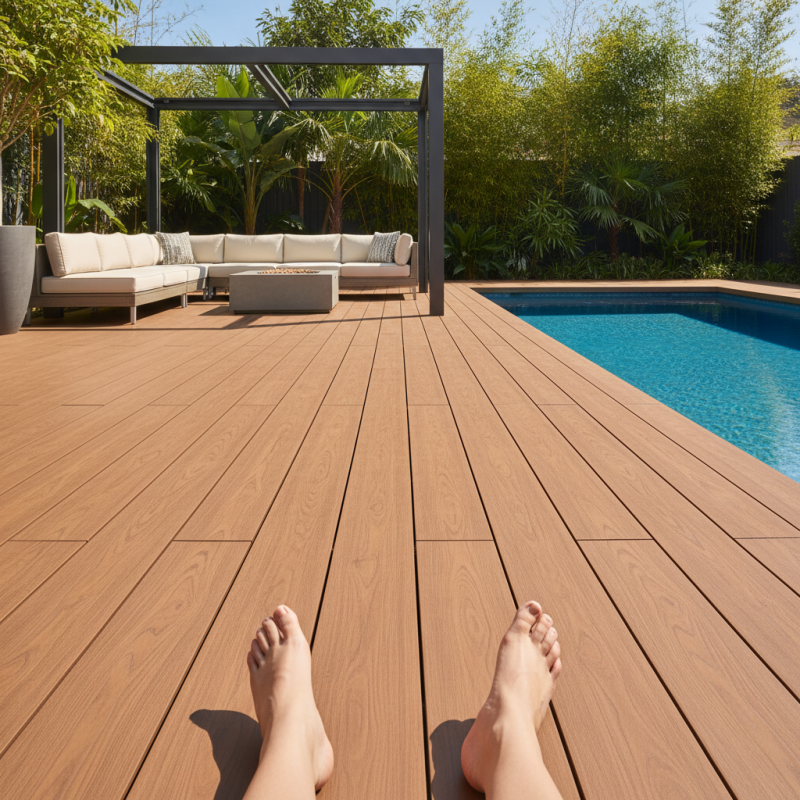
One of the key features of WPC Classic decking is its versatility. It can mimic the rich texture and color of wood while providing added longevity. Many users find it suitable for various settings, from patios to pool decks. However, it’s essential to consider the initial investment. WPC may have a higher upfront cost, but the long-term savings on maintenance can justify the price.
An important factor to reflect on is the environmental impact. WPC decking often incorporates recycled materials, making it an eco-friendly choice. Still, one should inquire about the sourcing and manufacturing practices involved. Understanding these aspects can enhance informed decision-making for homeowners focused on sustainability.
Assessing Your Project Needs: Space, Style, and Functionality
When choosing WPC classic decking, assessing your project needs is crucial. Start by evaluating the space available. Is it a small balcony or a large patio? The dimensions will impact your material choices. Smaller areas may benefit from lighter colors and a simple layout. Larger spaces can accommodate intricate designs and richer tones.
Next, consider your style preferences. Are you drawn to a modern aesthetic or a more traditional look? Color and texture play a significant role here. Pair your decking with complementary furnishings. This creates a seamless transition from your indoor to outdoor spaces. Experimenting with patterns might yield unexpected but appealing results.
Functionality should also be a priority. Will the decking be used for gatherings, or just for lounging? High-traffic areas need durable materials. Moisture resistance is essential for wet climates. Think about maintenance too. Some options require more upkeep than others. Reflect on what fits your lifestyle best. These decisions shape your project’s success and overall satisfaction.
Factors to Consider When Choosing WPC Classic Decking Materials
When selecting WPC (Wood Plastic Composite) classic decking materials, several critical factors must be considered. Durability is a top priority. According to a 2022 report by the Composite Research Institute, WPC materials can withstand extreme weather conditions and resist mold and UV damage. The typical lifespan of quality WPC decking is over 25 years, significantly reducing long-term replacement costs.
Another important aspect is the environmental impact. Research shows that WPC decking combines recycled wood and plastic, promoting sustainability. However, not all products have the same ecological footprint. Consumers should verify the sourcing and recycling practices of materials. Additionally, aesthetics matter. WPC decking is available in various colors and textures, allowing homeowners to select styles that enhance their outdoor space.
Cost is also a significant variable. On average, WPC decking may seem more expensive than traditional wood. However, when considering maintenance costs, WPC offers savings. It requires minimal upkeep, unlike wood, which needs regular sealing and painting. Balancing these factors can be challenging, as buyers often find they must compromise between initial cost and long-term benefits. It's essential to weigh immediate needs against future expectations for durability and environmental responsibility.
Factors to Consider When Choosing WPC Classic Decking Materials
Comparing WPC Classic Decking with Other Decking Options
When choosing decking for your project, WPC Classic Decking stands out among other options. This composite material blends wood fibers and plastic, resulting in durability and low maintenance. Unlike traditional wood, WPC does not warp or splinter easily. It offers resistance to moisture, making it suitable for various climates. Moreover, its color retention is better than that of natural wood, which often fades.
However, WPC Classic Decking does have its drawbacks. Initial costs can be higher than some wood options. Additionally, while it mimics the look of wood, some might find it less authentic. It is essential to weigh aesthetic preferences against practicality. Comparing it to PVC decking, WPC offers a more eco-friendly approach, as it uses recycled materials. In contrast, natural wood boasts unique grains and tones but requires more upkeep.
Consider your project’s specific needs and the environment when making a choice. Each decking option has pros and cons. It's crucial to assess long-term benefits versus immediate costs. The right decision hinges on your priorities, whether aesthetics, durability, or maintenance.
How to Choose WPC Classic Decking for Your Project? - Comparing WPC Classic Decking with Other Decking Options
| Decking Type | Durability | Maintenance | Cost per Square Foot | Aesthetic Variety |
| WPC Classic Decking | High (10-25 years) | Low | $3 - $5 | Moderate |
| Pressure-Treated Wood | Moderate (5-15 years) | High | $2 - $4 | High |
| Composite Decking | High (10-30 years) | Medium | $4 - $6 | High |
| Plastic Decking | Very High (25+ years) | Very Low | $5 - $10 | Moderate |
| Bamboo Decking | Moderate (10-20 years) | Low | $4 - $8 | High |
Maintenance and Care Tips for WPC Classic Decking Solutions
WPC classic decking is a popular choice for outdoor projects. However, maintenance and care are essential for longevity. Regular cleaning is vital. Use soap and water for routine upkeep. Avoid harsh chemicals that can damage the surface. A soft-bristle brush can help remove dirt without scratching.
Inspecting the decking periodically is also necessary. Look for signs of wear or damage. Check for loose boards or fading colors. Small issues can grow into larger problems if neglected. Remember, a little maintenance can prevent costly repairs down the line.
Proper ventilation is crucial as well. Good airflow prevents mold growth underneath the decking. Place the boards with enough space between them for air circulation. If you experience heavy rain, consider installing drainage solutions to avoid pooling water. Keeping these tips in mind will help ensure your WPC classic decking remains beautiful and functional over time.