How to Choose the Great Windows for Your Home?
Choosing great windows is a crucial decision for any homeowner. According to the National Association of Home Builders, windows account for about 10% of the average home’s energy use. The right windows can significantly enhance your home's energy efficiency. They also affect comfort and aesthetics.
Think about how windows influence your daily life. Natural light, for instance, boosts mood and productivity. A report from the Window and Door Manufacturers Association highlights that homes with great windows can see a 15% increase in resale value.
However, finding the ideal windows isn't always straightforward. Options abound, from materials to styles. Each choice presents its own set of advantages and challenges. Reflecting on your home’s needs is vital. Investing in quality windows can lead to long-term benefits, but it requires careful consideration.
Understanding Different Types of Windows and Their Benefits
Choosing the right windows for your home involves understanding their various types and benefits. There are several window styles to consider, each with unique advantages. For instance, double-hung windows offer excellent ventilation and ease of cleaning. They feature two sashes that move up and down, allowing fresh air to flow in.
In contrast, casement windows open outward with a crank. This design provides an unobstructed view and better energy efficiency. Their tight seal when closed can significantly reduce heating and cooling costs. However, they may require more maintenance due to their mechanical components.
Sliding windows are also popular, especially in modern homes. They save space since they slide open instead of swinging in or out. Their sleek design fits well in various architectural styles. Yet, they might not offer the best insulation compared to others. Ultimately, weigh the pros and cons of each option. Your choice should reflect your needs, aesthetic preferences, and maintenance willingness.
Comparison of Different Window Types and Their Benefits
Evaluating Window Materials: Wood, Vinyl, Aluminum, and Fiberglass
Choosing the right window materials can significantly affect your home’s energy efficiency and aesthetic appeal.
Wood, vinyl, aluminum, and fiberglass each have unique properties.
Wood offers natural beauty but requires maintenance. According to the U.S. Department of Energy, wood frames are less energy-efficient unless properly sealed.
Vinyl windows are low-maintenance and provide good insulation. A report from the National Association of Realtors suggests that vinyl windows can save homeowners about 20% on energy bills.
Aluminum windows are strong and lightweight. However, they conduct heat, making them less efficient in extreme climates.
Fiberglass is resistant to temperature changes, providing excellent insulation.
Recent studies reveal that fiberglass windows have better overall longevity compared to aluminum and wood.
Tips: Consider your local climate when choosing materials. Energy-efficient windows may have a higher upfront cost but can lead to savings over time.
Look for windows with a good warranty, ensuring they resist warping and fading.
Note that while aesthetics matter, functionality should always take precedence. Each material has its strengths and weaknesses.
Reflect on what fits your lifestyle best.
Key Considerations for Energy Efficiency in Window Selection
Choosing energy-efficient windows is crucial for a comfortable home. According to the U.S. Department of Energy, windows account for about 25% of residential heating and cooling costs. Selecting the right windows can lead to significant energy savings.
Consider the window frame materials. Vinyl, wood, and fiberglass each offer various insulation properties. For instance, fiberglass has a high R-value, which measures thermal resistance. If you live in a colder climate, you might want to avoid aluminum frames. Aluminum conducts heat poorly, resulting in energy loss.
Look at the glazing options as well. Low-emissivity (Low-E) glass can reflect heat while allowing light in. This technology can reduce energy costs by up to 30%. Double or triple glazing also provides better insulation. However, these options can be pricier upfront. Reflecting on your budget and energy goals is essential before making a decision. An informed choice can lead to a home that stays comfortable year-round.
Choosing the Right Window Styles to Complement Your Home Design
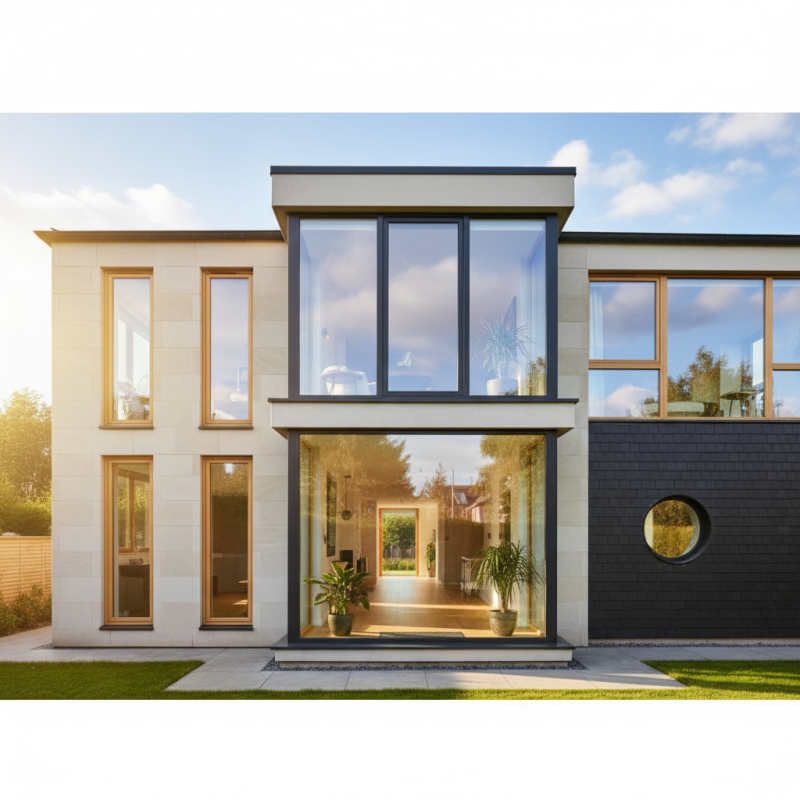
Choosing the right window styles can significantly impact your home’s overall aesthetic. Think about the architecture of your house. Traditional homes often suit double-hung or casement windows. These styles can enhance charm and history. On the other hand, modern designs might call for sleek picture windows or large sliders. Each choice speaks to different emotional responses.
Color and frame materials also matter. Wooden frames offer warmth but require maintenance. Vinyl frames are durable and low-maintenance but may lack character. Consider how different colors harmonize with your home. A bold frame can create a striking contrast, while neutral tones may blend seamlessly. It’s vital to visualize these styles in your space before deciding.
Sometimes it’s easy to overlook the functional aspects. Does the style you choose provide enough natural light? Are the windows energy-efficient? They must balance beauty and practicality. A careful examination of your options can lead to a satisfying choice. Don’t rush the process; taking time can lead to more thoughtful decisions.
Assessing Installation and Maintenance Factors for Long-Term Use
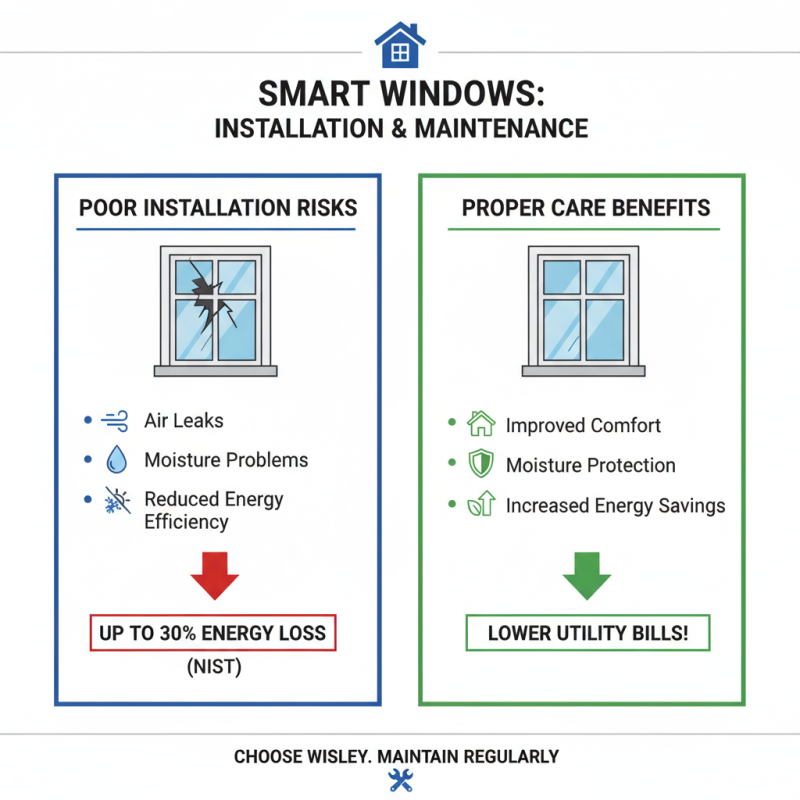
When considering windows for your home, installation and maintenance play crucial roles. Poor installation can lead to issues like air leaks and moisture problems. According to the National Institute of Standards and Technology, improper sealing can decrease energy efficiency by up to 30%. This significantly impacts heating and cooling costs.
Maintenance is equally important for longevity. Many homeowners overlook cleaning and proper care. Regular inspections can identify small problems before they become major issues. The American Society of Home Inspectors indicates that 20% of window issues stem from lack of maintenance. Additionally, many people underestimate the importance of weather stripping and caulking. These simple tasks can enhance insulation and save on energy bills.
It’s common to find mismatches in expectations versus reality. A window’s lifespan can range from 15 to 30 years, depending on materials and care. Choosing high-quality products is vital, but so is understanding their maintenance needs. Ignoring these factors can lead to expensive repairs. Investing time in proper installation and routine check-ups ensures longer window life and better performance.