How to Choose Quality Home Windows for Your Home?
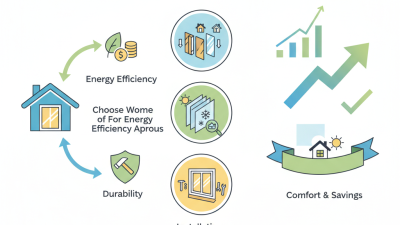
When considering your home's overall comfort and energy efficiency, choosing quality home windows should be a top priority. According to Jim Mullen, a renowned industry expert, "The right windows can transform a home’s aesthetic and functionality." Investing in quality home windows influences not just curb appeal, but also your utility bills.
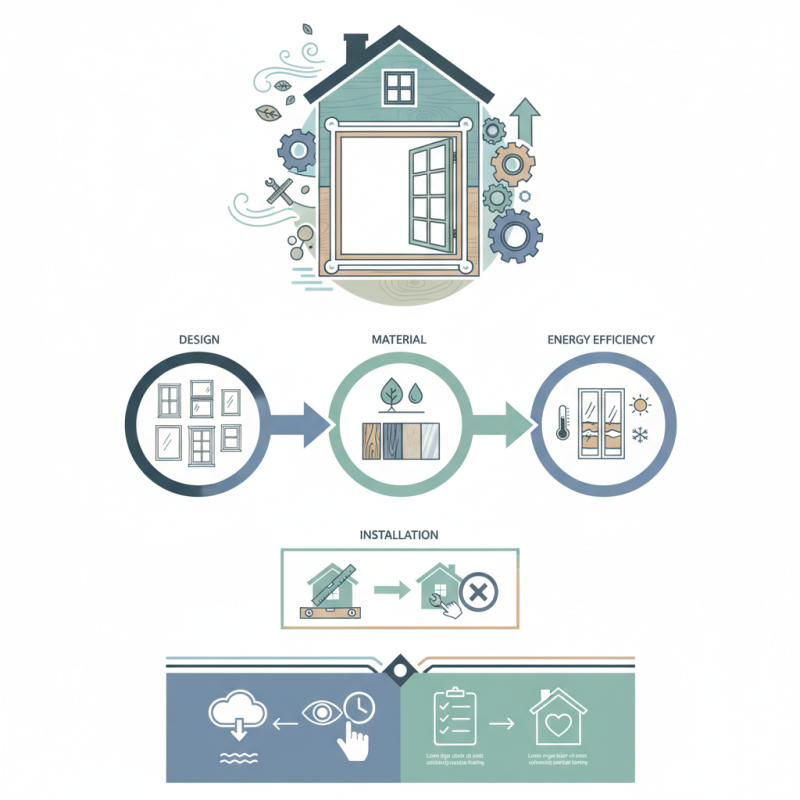
Many homeowners often overlook key factors when selecting windows. Design, material, and energy efficiency are essential. Low-quality windows can lead to drafts and increased energy costs. It’s crucial to recognize that poor installation can nullify even the best product. Some options might look appealing but fail to meet performance standards.
Reflecting on personal experiences can help guide your decision. Have you noticed condensation on your windows? That might signal inadequate insulation. Take time to research different materials and brands. Aim for windows that not only meet your visual preferences but also align with your long-term needs. Choosing quality home windows requires thoughtfulness and attention to detail.
Factors to Consider When Selecting Home Windows
When choosing quality home windows, several factors come into play. One significant aspect is
energy efficiency. According to the U.S. Department of Energy, windows can
account for up to 25% of a home’s heating and
cooling costs. Double-paned or triple-paned windows provide superior insulation.
This can lead to lower utility bills.
Durability is another key factor. Windows should withstand various weather conditions. Look for
materials like vinyl or fiberglass. These materials resist warping and fading over
time. Wood windows may require regular maintenance, which some homeowners overlook.
Tip: Always check the energy performance ratings from the
National Fenestration Rating Council (NFRC). This
ensures you get windows that truly meet efficiency standards.
Aesthetics matter too. The style of the windows should complement your home’s architecture. This
might be tricky. Balancing function with style can be a challenge.
Tip: Consider custom options if standard sizes don’t fit. Investing in
quality will pay off. Choose wisely and you can enhance both comfort and value in your home.
Types of Window Materials and Their Benefits
Choosing the right window material is crucial for your home. Different materials offer various benefits. Vinyl, for instance, is popular for its durability and low maintenance. According to the U.S. Department of Energy, vinyl windows can last over 20 years with proper care. Their insulation properties help reduce energy costs, making them a smart choice.
Wooden windows are aesthetically appealing. They provide excellent insulation and bring a natural feel to your home. However, they require more maintenance. Regular painting or sealing is necessary to avoid rot. Reports indicate that improperly maintained wood can deteriorate in as little as 5 years.
Aluminum frames are lightweight and strong. They can withstand harsh weather, but they have less insulation than other materials. The American Institute of Architects states that aluminum windows account for about 10% of residential window sales. People often overlook their potential for condensation problems. Evaluating these factors is essential for making the best choice for your home.
Energy Efficiency Ratings and Their Importance
When choosing home windows, energy efficiency ratings should hold significant weight. These ratings indicate how well a window can insulate your home. Windows with high ratings keep your indoor climate stable. They can lower your energy consumption and costs.
Look for windows with double or triple glazing. These options provide better insulation. Consider Low-E coatings that minimize UV and infrared light. They can help keep your home cool in summer and warm in winter. Windows with poor energy ratings may cost you more in the long run. Understand the difference.
Additionally, the installation process impacts energy efficiency. Poorly installed windows can create drafts and reduce their effectiveness. Each window type has pros and cons. It’s essential to assess your specific needs. Think about your climate zone. Don’t rush this decision. You want a balance of aesthetics and functionality. Each choice should reflect your unique lifestyle and priorities.
Design and Aesthetic Considerations for Windows
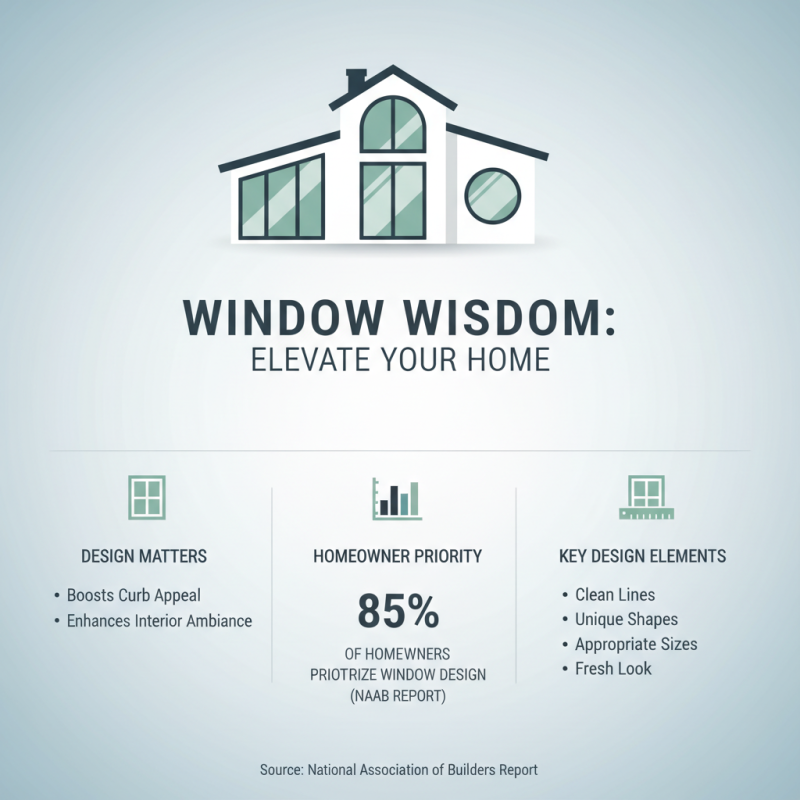
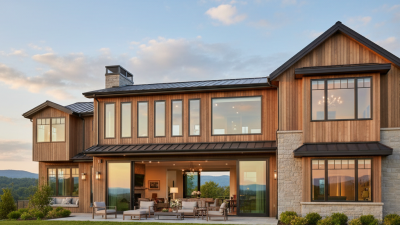
When choosing windows for your home, design and aesthetics play a crucial role. The right windows can enhance your home's curb appeal and interior ambiance. According to a recent report by the National Association of Home Builders, 85% of homeowners prioritize window design when renovating. Clean lines, unique shapes, and appropriate sizes can bring a fresh look to your living spaces.
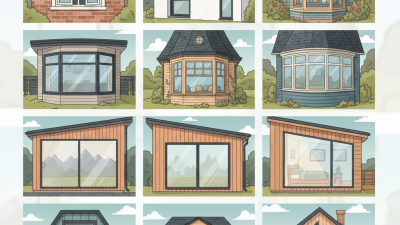
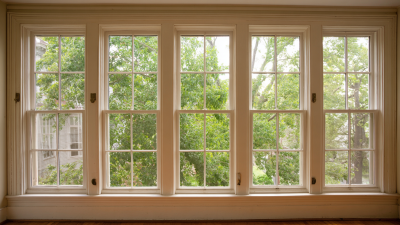
Consider the architectural style of your home. Traditional homes may benefit from double-hung windows, while modern homes may suit casement styles. Windows are not just practical; they express your personal taste. Choosing colors that complement your outer walls can create a harmonious look. However, selecting trendy styles can backfire if they become outdated quickly.
Tips: Opt for energy-efficient designs. They not only save money but also help the environment. Think about window treatments that match your aesthetics. Roller shades or wooden blinds can enhance the beauty.
It’s easy to get overwhelmed by options. Some designs may look great in photos but may not fit your home well. Measure dimensions accurately to avoid costly mistakes. Remember, the balance of beauty and functionality is key in window selection. Prioritize what you value most when making this important choice.
Installation and Maintenance Tips for Long-lasting Windows
Choosing the right windows for your home is essential. However, even the best windows can cause problems if not installed correctly. Proper installation ensures a good seal, which prevents drafts and water leaks. Take time to double-check the measurements before you start. It’s frustrating when windows don’t fit properly.
Maintenance is just as important as installation. Cleaning your windows regularly can extend their lifespan. Use a mild cleaner and a soft cloth to avoid scratches. Inspect the seals and frames for wear. Simple maintenance can prevent expensive repairs later. Sometimes, even small issues, like a cracked seal, can lead to bigger problems.
Don't overlook ventilation. Proper airflow can reduce moisture buildup. Windows that don't open easily can trap humidity inside, leading to mold. If your windows feel stuck, consider adjusting the hardware. This is a common issue that often needs attention. Quality windows require a balance of installation and maintenance to remain functional over time.
How to Choose Quality Home Windows for Your Home? - Installation and Maintenance Tips for Long-lasting Windows
| Window Type |
Energy Efficiency Rating |
Material |
Average Lifespan (Years) |
Maintenance Level |
| Double-Hung |
Low-E |
Vinyl |
15-20 |
Low |
| Casement |
Energy Star |
Wood |
10-15 |
Medium |
| Sliding |
U-factor |
Aluminum |
20-30 |
Medium |
| Picture |
High Performance |
Fiberglass |
25-50 |
Low |