| Frame Material |
Insulating performance, durability, thermal expansion, and resistance to moisture |
Insulated vinyl or fiberglass frames generally provide lower heat transfer than uninsulated metal frames |
The frame forms part of the window’s total thermal barrier and can create cold interior surfaces |
Use thermally improved frames in cold or mixed climates; select moisture-resistant materials in humid or coastal areas |
| Window U-Factor |
The whole-window U-factor, including glass, spacer, sash, and frame |
Lower is better; approximately 0.20–0.30 Btu/h·ft²·°F is a strong range for many high-performance windows |
Indicates the rate of heat flow through the complete window assembly |
Prioritize a low U-factor in cold climates; it remains useful in hot climates where cooling loads are also important |
| Solar Heat Gain Coefficient |
The fraction of incident solar radiation admitted through the window |
Lower values, often about 0.20–0.40, reduce unwanted solar heat; higher values can provide useful winter heat |
Controls how much sunlight becomes indoor heat |
Choose lower SHGC for hot, sunny climates and west-facing windows; consider moderate or higher SHGC in cold climates with useful winter sun |
| Low-E Glass |
Coating type, surface location, visible appearance, and whether it is optimized for solar control or heat retention |
Use a low-emissivity coating selected for the home’s heating, cooling, and daylight priorities |
Reflects selected infrared wavelengths while allowing controlled daylight transmission |
Heat-retaining low-E configurations suit cold conditions; solar-control low-E configurations suit hot, high-sun exposure |
| Number of Panes |
Double- or triple-pane construction and the quality of the sealed insulating glass unit |
Double-pane is common; triple-pane can achieve lower U-factors when paired with suitable frames and spacers |
Additional panes create more insulating cavities and can improve interior surface temperatures |
Triple-pane is particularly beneficial in cold climates; double-pane may be adequate where heating demand is moderate |
| Gas Fill |
Whether sealed cavities use air or an inert gas such as argon or krypton |
Argon is widely used; krypton can be useful in narrower cavities but generally costs more |
Inert gases conduct less heat than air and can improve insulating-glass performance |
Most valuable where heating or cooling energy use is significant and the sealed unit is properly manufactured |
| Visible Transmittance |
The percentage of visible light transmitted through the window |
Approximately 0.40–0.70 is a practical range, depending on shading and daylight goals |
Higher values provide more daylight but may increase glare and solar gains |
Balance daylight with glare control, especially on large south- and west-facing glazing areas |
| Air Leakage |
The certified air-leakage rating of the complete operable window |
Lower is better; compare products using the same test method and rating units |
Uncontrolled air movement can increase heating and cooling loads and reduce comfort |
Important in windy, cold, and humid climates; professional installation and perimeter sealing are equally important |
| Condensation Resistance |
The certified condensation-resistance rating and the expected interior humidity level |
Higher ratings generally indicate better resistance under standardized test conditions |
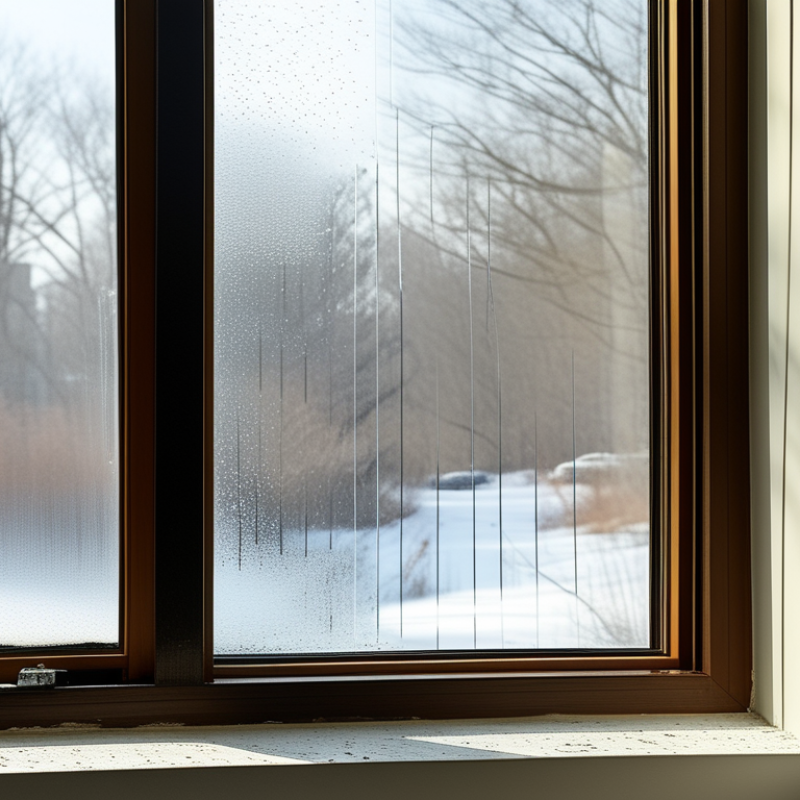
Warm interior glass surfaces reduce the risk of moisture accumulation and related damage |
Prioritize this factor in cold climates and homes with high indoor humidity; ventilation and humidity control still matter |
| Spacer and Edge Design |
Thermally improved spacers, edge temperature, and seal durability |
Prefer a warm-edge spacer where available, especially for cold-climate or high-humidity applications |
The glass perimeter is a common area for heat loss and condensation |
Particularly useful in cold regions, on large windows, and where interior humidity is difficult to control |
| Window Orientation |
The direction the window faces and the amount of direct sunlight it receives |
Select glazing according to orientation rather than using one specification for every elevation |
Solar exposure varies significantly by orientation, shading, season, and latitude |
West-facing windows often need strong solar control; south-facing windows benefit from properly designed exterior shading |
| Installation Quality |
Flashing, drainage, shimming, insulation, air sealing, and compatibility with the wall system |
Follow the manufacturer’s installation requirements and local building-code provisions |
A high-performance window can underperform if gaps permit air or water leakage |
Use enhanced water-management and air-sealing practices in rainy, windy, humid, or coastal environments |