What is Clad Wood Windows and Why Are They Popular?
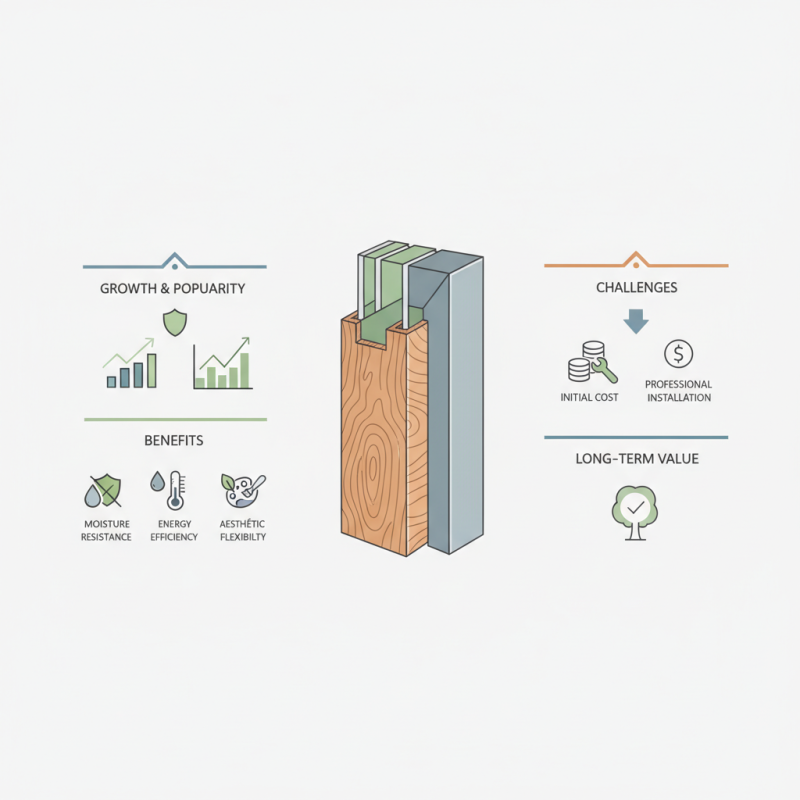
Clad Wood Windows have become a popular choice for homeowners and builders alike. These windows combine the beauty of natural wood with the durability of exterior materials. A recent industry report indicates that the market for clad wood windows is expected to grow by over 5% annually. This growth reflects their increasing demand in residential construction.
The appeal of clad wood windows lies in their low maintenance requirements and energy efficiency. Unlike traditional wood windows, clad options are resistant to moisture and pests. Homeowners appreciate the aesthetic flexibility, which allows for various designs and finishes. The durability of materials like fiber cement or aluminum enhances their lifespan, making them a wise long-term investment.
However, some challenges exist. The initial cost of clad wood windows can be higher than standard options. Homeowners may require professional installation to ensure optimal performance. Additionally, it’s crucial to select a reputable manufacturer to avoid potential issues. Ultimately, the benefits of clad wood windows often outweigh the drawbacks, making them a compelling option in today’s window market.
Definition of Clad Wood Windows: Materials and Construction
Clad wood windows are increasingly popular for their unique blend of aesthetics and durability. These windows are constructed with a wooden frame covered in a protective exterior layer. Common materials for this exterior include aluminum, vinyl, or fiberglass, which provide weather resistance. According to the American Architectural Manufacturers Association, cladding can extend the lifespan of windows significantly. Many homeowners prefer this option because it combines the warmth of wood indoors with the protection of synthetic materials outdoors.
Clad wood windows have been engineered for optimal performance. The cladding helps prevent moisture infiltration, which can lead to rot—a common issue with traditional wood windows. A report by the National Association of Home Builders states that better insulation properties in clad windows can lead to energy savings of up to 25%. However, it’s essential to note that not all clad wood products are created equal. Quality varies across manufacturers, influencing their effectiveness and longevity.
Despite the advantages, some homeowners report challenges in finding the right style and color to match existing architecture. Customization options are often limited, which can be a drawback. Additionally, while clad windows generally require less maintenance than pure wood, they do not eliminate upkeep completely. Regular cleaning and inspection are essential to ensure their performance and longevity. Balancing aesthetics, maintenance, and energy efficiency remains a critical consideration for potential buyers.
Benefits of Clad Wood Windows: Aesthetic Appeal and Performance
Clad wood windows combine the beauty of wood with the durability of modern materials. They are increasingly preferred by homeowners for various reasons. Aesthetic appeal plays a significant role in their popularity. The wood interior adds warmth and elegance, while the exterior cladding protects against the elements. According to a 2021 survey by the National Association of Home Builders, 47% of homeowners prioritize aesthetics in window choices.
Performance is another critical factor. Clad wood windows often feature energy-efficient designs that meet rigorous standards. The Department of Energy’s report notes that high-quality windows can reduce energy loss by 15-25%. This efficiency translates to lower utility bills. Clad wood windows are also designed for longevity, resisting moisture and minimizing maintenance needs. However, these benefits come at a price. They can be more expensive upfront compared to standard options. Homeowners should weigh the long-term savings against initial costs.
Another consideration is the ecological impact. Sustainable wood sourcing is essential. Clad wood windows can be a sustainable choice if responsibly sourced. However, not all manufacturers prioritize sustainability, leaving consumers to navigate options carefully. It’s crucial to research and ensure that eco-friendly practices are in place. Thus, while clad wood windows offer undeniable benefits, they also require thoughtful decision-making in selection.
Benefits of Clad Wood Windows
Comparing Clad Wood Windows to Other Window Types
Clad wood windows are gaining popularity for a variety of reasons. They combine the beauty of natural wood with a durable exterior. This design means you enjoy aesthetic appeal without compromising on performance. They resist weathering better than traditional wood. Yet, they may require more maintenance than full vinyl windows.
Comparing clad wood windows to vinyl options shows key differences. Vinyl windows are often cheaper and require less upkeep. However, they can lack the warmth of wood. Some homeowners worry about the environmental impact of synthetic materials. Clad wood options, while pricier upfront, provide excellent insulation. This can lead to lower energy costs over time.
In terms of design, clad wood offers superior versatility. Homeowners can choose from various colors and finishes. Vinyl windows often come in limited shades. However, clad wood windows may be heavier, potentially complicating installation. If not installed correctly, issues may arise. Overall, both options have distinct pros and cons that should be carefully considered.
Factors Influencing the Popularity of Clad Wood Windows
Clad wood windows have gained significant popularity in recent years. One factor driving this trend is their unique combination of natural beauty and durability. Homeowners appreciate the warmth of wood interiors, while the exterior cladding enhances protection against weather elements. This duality offers aesthetic appeal and functional resilience, making these windows an attractive option for many.
Another influencing factor is energy efficiency. Clad wood windows can provide better insulation compared to traditional windows. This insulation helps reduce heating and cooling costs, appealing to eco-conscious consumers. Additionally, these windows often require less maintenance than regular wood windows. However, some people may not fully understand the installation requirements or the differences between various materials used in cladding. It’s crucial to weigh the benefits and challenges, as poor installation can lead to issues over time.
The environmental impact of clad wood windows also plays a role in their popularity. With sustainability in mind, many manufacturers focus on responsibly sourced wood for the interior frames. However, the cladding material can vary widely, leading to questions about its recyclability and environmental footprint. Consumers need to consider the long-term impacts of their choices. Balancing beauty, efficiency, and sustainability can sometimes present a complex decision-making process.
What is Clad Wood Windows and Why Are They Popular? - Factors Influencing the Popularity of Clad Wood Windows
| Feature | Description | Popularity Factor |
| Durability | Clad wood windows feature a protective exterior layer, typically aluminum or vinyl, which enhances resistance to weather, ensuring longevity. | High |
| Aesthetic Appeal | The natural beauty of wood is preserved on the interior, while the exterior can be customized with various colors and finishes. | High |
| Energy Efficiency | Clad wood windows provide excellent insulation, reducing heating and cooling costs. | Medium |
| Maintenance | The exterior cladding minimizes the need for regular painting or staining, making them easier to maintain. | High |
| Customization | Available in various styles, colors, and finishes, allowing homeowners to tailor them to their preferences. | High |
| Value Addition | These windows can increase the overall property value due to their aesthetic and functional benefits. | High |
Maintenance and Longevity of Clad Wood Windows
Clad wood windows combine the warmth of natural wood with the durability of exterior cladding. This unique design minimizes maintenance needs while enhancing longevity. According to the National Association of Home Builders, clad windows can last up to 30 years or more with proper care. This is significantly longer than traditional wood windows, which often need replacement due to rot or fading.
One of the key benefits of clad wood windows is their resistance to weather damage. The cladding shields the wood, preventing moisture buildup. This feature reduces the risk of decay, maintaining the aesthetic appeal of the windows. Additionally, coated surfaces resist fading, keeping colors vibrant for years.
**Tip: Regularly inspect your windows for signs of wear.** Even clad windows can develop issues over time. Check for gaps in the cladding or any peeling paint. Keeping the wood clean and sealed can help it reach its maximum lifespan.
Maintenance does not always involve heavy lifting. Simple cleaning and periodic touch-ups can do wonders. Regularly caulking gaps will also aid in insulation. The key is to stay vigilant. If neglected, even durable windows may succumb to deterioration.