Top Tips for Choosing Windows for Your Home
Choosing the right windows for your home is crucial. They impact aesthetics, energy efficiency, and comfort. With so many options available, finding the best fit can be daunting. You want windows that enhance your home’s beauty while providing insulation and security.
Understanding the different window materials is key. Wood, vinyl, and fiberglass each offer unique benefits and drawbacks. For example, wood gives a classic look but requires regular maintenance. Vinyl is durable and low-maintenance but may lack character.
Consider your climate, too. Windows for your home should suit your local weather conditions. If you live in a hot area, energy-efficient windows can keep your home cool. In colder climates, proper insulation is essential. Reflect on how each choice aligns with your needs and preferences for function and style.
Understanding Different Window Types and Styles
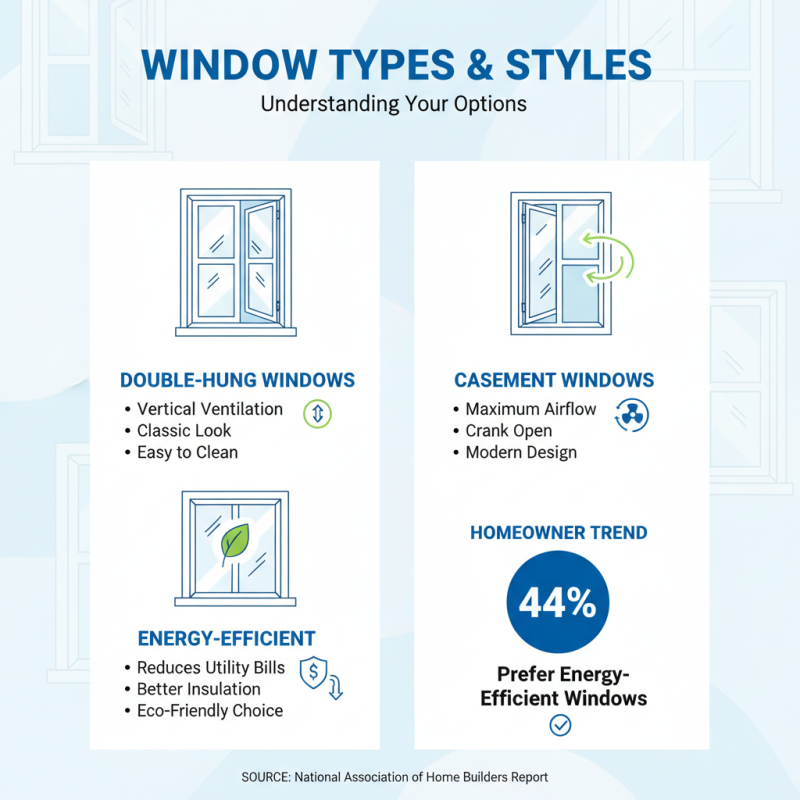
When selecting windows for your home, understanding various window types and styles is crucial. Different styles serve unique purposes. For instance, double-hung windows are popular for ventilation and aesthetic appeal. In contrast, casement windows open outward for better airflow, often catching breezes. According to a report by the National Association of Home Builders, about 44% of homeowners prefer energy-efficient windows to reduce utility bills.
Tip: Assess your climate. Regions with extreme temperatures benefit from windows with high insulation values. Low-E glass can reflect heat, helping to regulate indoor temperatures. This can reduce energy costs by up to 12%, as noted in industry studies.
Window materials also matter. Vinyl windows offer affordability and low maintenance. Wooden windows provide unmatched beauty but may require more upkeep. Balancing aesthetics with practicality is vital. Data suggests that homes with energy-efficient windows can achieve a 70% return on investment upon resale.
Tip: Treat window selection as an investment. Consider long-term savings over initial costs. Your choices today will impact your comfort and expenses for years to come.
Evaluating Energy Efficiency Ratings for Windows
When selecting windows for your home, understanding energy efficiency ratings is crucial.
Energy Star certifications can guide homeowners in identifying products that offer superior performance.
According to the U.S. Department of Energy, energy-efficient windows can reduce energy bills by about 15 percent.
This is significant considering that nearly 30% of a home's heating and cooling energy is lost through inefficient windows.
Look for the National Fenestration Rating Council (NFRC) label.
This label provides valuable information about a window's energy performance, including U-factor, solar heat gain coefficient, and visible transmittance.
The U-factor measures insulation efficiency. A lower U-factor means better insulation.
For instance, windows with a U-factor of 0.30 or lower are ideal for moderate climates.
Consider how windows are installed. Even energy-efficient windows can underperform if not installed correctly.
Poor installation can lead to air leaks. Ensuring a tight seal can enhance performance metrics
according to the American Institute of Architects.
Evaluate installation costs against potential savings over time. Windows that seem economical upfront may require more maintenance later, leading to higher overall expenses.
Selecting Window Materials: Pros and Cons
When selecting window materials for your home, it's essential to weigh the pros and cons. Each option has unique characteristics that suit different needs. For instance, vinyl windows are popular due to their low maintenance. They resist moisture and won’t warp. However, they might not offer the same aesthetic appeal as wood.
Wood windows, while beautiful, require regular upkeep. They can rot or be affected by insects over time. Yet, nothing mimics the warmth of natural wood. Additionally, composite windows combine materials to enhance durability. They often provide energy efficiency but might be pricier initially.
Aluminum frames are strong and lightweight. They resist corrosion and can be customized easily. Still, they may conduct heat, impacting energy bills. Each material comes with its own set of challenges. Assess your climate and lifestyle before deciding. Think about the long-term impact on maintenance and energy efficiency.
Considering Window Sizes and Placement for Your Home
When selecting windows for your home, size and placement play crucial roles. Research shows that windows account for up to 10% of a home’s energy loss. Choosing appropriately sized windows can enhance energy efficiency. For instance, larger windows in living areas promote natural light and reduce dependence on artificial lighting. However, this brings a challenge: finding a balance between aesthetics and functionality.
Placement is equally essential. Installing windows on the south side maximizes sunlight during winter while limiting heat gain in summer. The U.S. Department of Energy recommends strategic placement to optimize natural ventilation, which can lower energy bills by up to 30%. However, improper placement can lead to overheating or draft issues. Homeowners might overlook factors like shade from nearby trees or structures. This can create a need for reconsideration and adjustments to improve comfort.
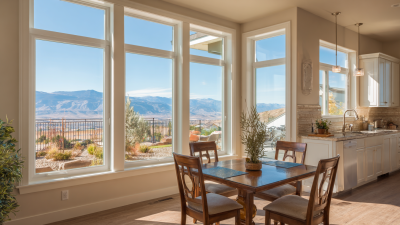
Finally, consider the views offered by different sizes and placements. While larger windows can frame beautiful scenery, they also require appropriate treatments for privacy. Each choice should reflect personal needs while addressing potential energy costs. Taking time to evaluate these aspects can lead to an informed decision that blends style and practicality in your home's design.
Working with Professionals: Installation and Maintenance Tips
When working with professionals for window installation, it’s essential to ensure they have the right experience and qualifications. According to a recent study by the National Association of Home Builders (NAHB), quality installation can enhance energy efficiency by up to 30%. This improvement often depends on using skilled contractors who understand local building codes and environmental factors.
Engagement with certified professionals is vital for maintenance as well. Regular checks and repairs can extend the life of your windows. A report by the Department of Energy indicates that proper maintenance can increase a window’s lifespan by at least five years. Make sure to ask your installer about maintenance schedules and best practices. Simple tasks, such as checking seals and cleaning frames, can prevent significant issues later on.
Homeowners often overlook the importance of professional assessments. Lack of expertise can lead to poor installations, resulting in costly energy losses. The window market is evolving, with advancements in materials and technology. Seeking advice from knowledgeable contractors can help navigate these changes for optimal performance. Don’t hesitate to ask questions and seek clarity before making decisions.