Top 10 House Windows Styles for Global Buyers to Consider
When considering house windows, the choice can significantly impact a home's aesthetic and functionality. Renowned architect Emily Johnson states, "The right windows can transform a space, merging beauty with purpose." This sentiment emphasizes the importance of selecting the best styles for your home.
Global buyers face a myriad of options in house windows, ranging from traditional to contemporary designs. Each style carries its own unique advantages and challenges. Buyers should reflect on their specific needs and preferences, as well as the architectural context of the home.
Choosing windows also involves considering energy efficiency, material durability, and maintenance requirements. Mistakes in selection can lead to aesthetic mismatches or energy waste. In this complex world of house windows, it’s crucial to approach decisions with informed creativity and practical insights.
Understanding the Importance of Window Style in Home Design
When it comes to home design, window style plays a crucial role in both aesthetics and functionality. According to a recent report by the American Architectural Manufacturers Association, approximately 70% of homeowners consider window style as a significant factor in their renovation decisions. This preference impacts not only the home's interior but also its exterior appearance. Choosing the right window style can enhance curb appeal and increase property value.
Different regions often embrace various window styles, influenced by local climate and architectural traditions. For instance, casement windows offer excellent ventilation and are popular in coastal areas. On the other hand, double-hung windows are favored in traditional homes across North America. An industry study revealed that homes with well-designed windows can see a 15% increase in overall market value. Yet, homeowners sometimes overlook this aspect, focusing more on interior renovations.
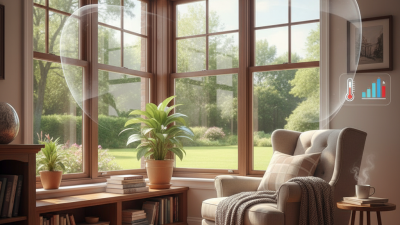
Energy efficiency is another vital consideration. Windows significantly affect heating and cooling costs. Properly selected window styles can reduce energy consumption by up to 30%, enhancing sustainability. However, a mismatch between window style and home architecture may lead to inefficiencies and aesthetic discord. Homeowners should consider their choices carefully to achieve both functionality and beauty.
Classic Window Styles: Timeless Choices for Elegance and Functionality
Choosing window styles is crucial for enhancing a home's aesthetic appeal and functionality. Classic window designs, like double-hung and casement windows, have remained popular due to their timeless elegance. According to the American Institute of Architects, these styles are favored by more than 70% of homeowners for their functionality and classic look.
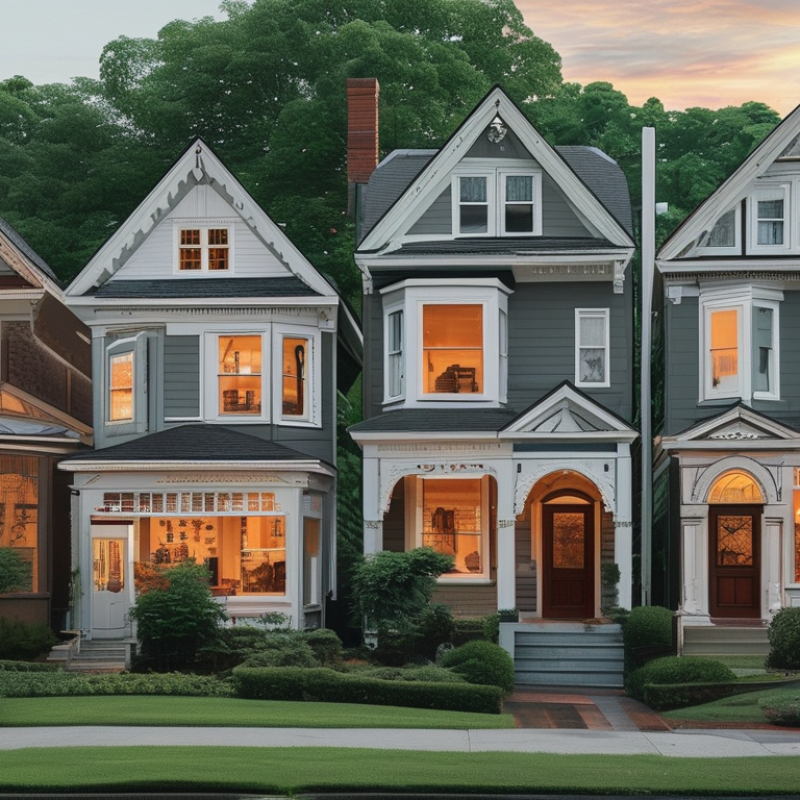
Double-hung windows offer versatility and ease of cleaning, allowing for airflow with both sashes operable. They are particularly well-suited for traditional homes, contributing to their overall character. Casement windows, on the other hand, pivot outward, providing an unobstructed view. This style is perfect for capturing breezes, making it ideal for living spaces. Yet, they may require more maintenance than expected, as the hinges and frames can deteriorate over time.
Natural light is essential in enhancing a home's interior. According to a report by the U.S. Department of Energy, well-placed windows can reduce energy costs by up to 30%. However, improper window placement can lead to increased heating and cooling expenses. Homeowners should balance style and practicality, ensuring that their choices align with energy efficiency standards, as this often adds to long-term value.
Top 10 House Window Styles for Global Buyers
Modern Window Designs: Sleek and Stylish Options for Contemporary Homes
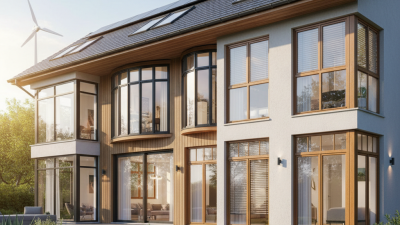
Modern window designs offer sleek and stylish options for contemporary homes. Large panes of glass create a seamless connection between indoor and outdoor spaces. Minimalist frames enhance the clean lines of modern architecture. These features allow natural light to flood the interiors, making spaces feel more expansive.
Consider the functionality of your windows. Operable windows can promote airflow, which is essential for energy efficiency. Think about windows that open fully to create a breeze, balancing style with utility. Using window films can also improve insulation without compromising aesthetics.
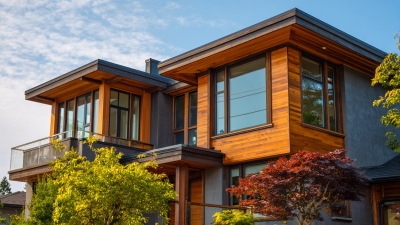
Selecting the right materials adds to the overall experience. Aluminum and fiberglass frames provide durability and require minimal maintenance. However, wood is timeless, bringing warmth and character. Ensure that your choice of material aligns with your home’s design while thinking long-term.
Always keep maintenance in mind. Some modern window styles may demand more care. Evaluate whether you are prepared for regular upkeep. A stylish home should not turn into a burden. Reflect on these aspects to achieve a harmonious balance of beauty and function.
Regional Influences: How Geography Shapes Window Style Preferences
Geography significantly shapes window style preferences worldwide. For instance, coastal areas often favor large, airy windows to invite natural light and capture ocean views. In contrast, regions with harsher climates prefer sturdy, insulated windows that provide better energy efficiency. The International Energy Agency reports that homes with energy-efficient windows can reduce heating and cooling costs by up to 25%.
Cultural influences also play a role in window design. Many European countries embrace traditional styles that reflect their rich history. In Asia, minimalist designs often engage clean lines, promoting serenity and harmony. The World Architecture Survey indicates a growing trend towards sustainability. Buyers are increasingly seeking eco-friendly materials for window frames. This shift reflects not only aesthetic desires but also a collective commitment to environmental responsibility.
Tips: Choose styles that complement your home's architecture. Consider the local climate when selecting materials. Bold colors can express personality, but remember that muted tones often enhance resale value. Balancing trendiness with practicality will make your choices more timeless.
Energy Efficiency Considerations: Choosing Windows that Save on Utilities
When choosing windows, energy efficiency is key. The right style can help save on utilities.
Look for designs that maximize natural light while minimizing heat loss.
Double or triple-glazed windows offer excellent insulation,
making them a smart choice. Good insulation reduces reliance on heating and cooling systems.
Tips: Consider window orientation. South-facing windows can capture sunlight in the winter.
This can reduce heating costs. Additionally, add window treatments to enhance energy savings.
Shades or curtains can prevent heat loss at night.
Be mindful that not all windows are created equal. Some styles may look beautiful but lack performance.
Research different materials and their impacts on energy efficiency.
Wood frames are aesthetically pleasing but require maintenance.
Vinyl frames offer durability, but check for quality.
Reflecting on these choices will lead to a more informed decision.