How to Transform Your Space with Windows Made from Sustainable Materials
In recent years, the demand for environmentally friendly building materials has surged, with a notable shift towards sustainable construction practices. According to a report by the World Green Building Council, buildings are responsible for 39% of global carbon emissions, prompting the need for solutions that minimize environmental impact.
One area receiving increased attention is the use of windows made from sustainable materials, which not only enhance energy efficiency but also contribute to a healthier indoor environment. Research shows that proper window installation can reduce energy consumption by up to 15%, making them a vital element in the quest for greener buildings.
As homeowners and builders alike become more conscious of their ecological footprint, understanding how to transform your space with windows made from sustainable materials is crucial for fostering a more sustainable future.
Choosing the Right Sustainable Materials for Windows
When selecting sustainable materials for windows, it is essential to consider energy efficiency and environmental impact.
Wood, particularly from responsibly managed forests, is a popular choice due to its natural insulating properties.
It not only offers excellent thermal performance but also adds a warm aesthetic to any space. Opting for certified wood helps ensure that the material used contributes to the conservation of forests and biodiversity.
Another sustainable material gaining traction in window design is fiberglass.
This option is highly durable, resistant to weathering, and requires less maintenance compared to wood.
Its energy-efficient insulation capabilities help reduce heating and cooling costs, making it an excellent choice for environmentally conscious homeowners.
Additionally, recycled aluminum is becoming increasingly popular for window frames due to its strength and sustainable sourcing.
By carefully choosing materials that are renewable or recyclable, homeowners can significantly reduce their ecological footprint while enhancing the overall look and functionality of their living spaces.
Designing Energy-Efficient Windows with Natural Resources
When designing energy-efficient windows with natural resources, it's essential to consider the materials and technologies that contribute to sustainability. According to a report from the U.S. Department of Energy, windows are responsible for 25-30% of residential heating and cooling energy use. By incorporating sustainable materials such as reclaimed wood, bamboo, and recycled metals, homeowners can significantly reduce their carbon footprint while enhancing their property's aesthetic appeal. These materials not only minimize resource depletion but also offer impressive thermal insulation properties that can lead to reduced energy consumption.
Furthermore, the integration of advanced glazing options, such as triple-pane windows filled with argon gas, can improve energy efficiency significantly. The National Renewable Energy Laboratory estimates that energy-efficient windows can save homeowners as much as $465 annually in energy costs compared to standard single-pane options. By utilizing sustainable materials and innovative designs, homeowners can create windows that not only contribute to eco-friendly living but also ensure long-term financial savings. As the demand for sustainable construction practices rises, it is vital for both consumers and manufacturers to embrace these environmentally-conscious solutions.
Incorporating Recycled Glass and Frames in Your Window Project
Incorporating recycled glass and frames into your window project is a significant step towards creating a more sustainable living environment. Recycled glass is not only an eco-friendly option but also offers a unique aesthetic appeal. Homeowners can choose from a variety of textures and colors, allowing for creative expression while reducing the demand for new raw materials. This approach minimizes landfill waste and helps conserve natural resources, making it a responsible choice for modern construction and renovation projects.
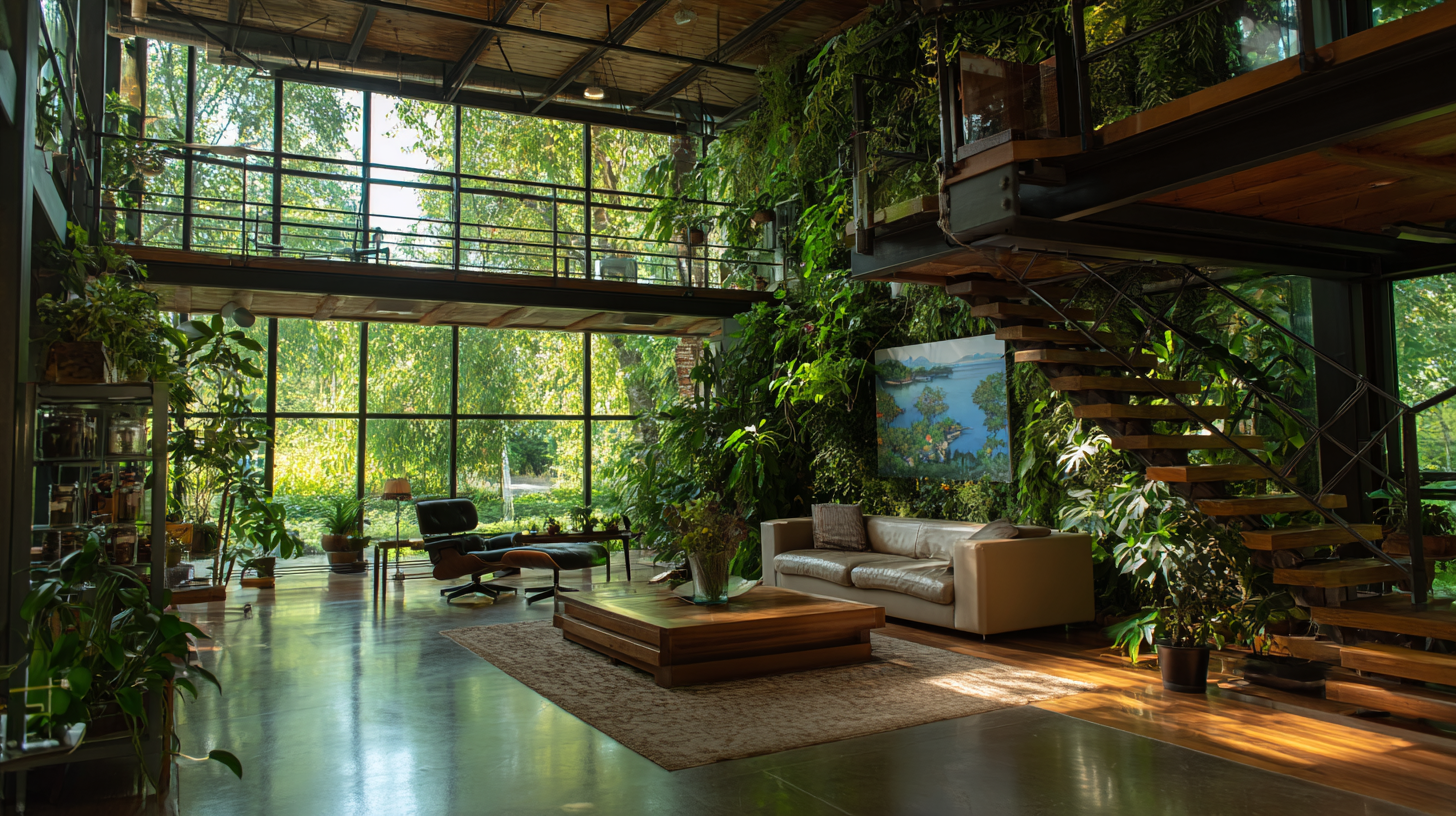
When it comes to window frames, selecting materials made from recycled sources can further enhance sustainability. Many manufacturers now offer frames made from recycled aluminum, wood, or composite materials, each providing durability and energy efficiency. These frames not only reduce the carbon footprint associated with producing new materials but also support the recycling industry. By opting for these sustainable alternatives, homeowners contribute to a circular economy, ensuring that materials are reused and recycled to their fullest potential. This commitment to sustainability not only benefits the environment but also adds value to the property in the long run.
Enhancing Aesthetics with Eco-Friendly Window Treatments
Eco-friendly window treatments are an essential component of sustainable interior design, offering both aesthetic appeal and environmental benefits. According to a report by Grand View Research, the global green building materials market is expected to reach $1 trillion by 2027, with sustainable window treatments playing a significant role in this growth.
These materials not only help reduce energy consumption but also enhance the overall beauty of a space. Fabrics made from organic cotton, linen, or bamboo provide a natural and stylish option, while window films and shades made from recycled materials can add a modern touch to any design.
Incorporating eco-friendly window treatments can significantly improve energy efficiency, leading to lower utility bills. The U.S. Department of Energy indicates that effective window coverings can reduce heat loss in winter by 10-25% and heat gain in summer by up to 77%. By choosing sustainable materials, homeowners not only contribute to environmental conservation but also create a visually appealing atmosphere that reflects their commitment to eco-friendly living. As awareness of sustainability continues to grow, incorporating these elements into home design is not just a trend, but a necessary step towards a more responsible future.
Maximizing Natural Light and Ventilation through Sustainable Design
Maximizing natural light and ventilation through sustainable design is crucial in transforming our living and working spaces. The use of windows made from sustainable materials plays a pivotal role in achieving this goal. For instance, eco-friendly homes are increasingly featuring larger windows that not only allow abundant sunlight but also encourage cross-ventilation, creating healthier indoor environments. This design approach not only reduces reliance on artificial lighting but also enhances air quality, contributing to overall well-being.
Projects like the Jardim Paulistano house in São Paulo demonstrate the effectiveness of sustainable design within limited spaces. By incorporating large windows and utilizing eco-friendly materials, these buildings can maximize natural light while minimizing energy consumption. Furthermore, innovative structures like nearly Zero Energy Buildings incorporate techniques such as geothermal heat pumps to enhance energy efficiency. As cities around the world, including those in India and Israel, embrace sustainable construction practices, the focus on natural light and ventilation through strategically designed windows will continue to shape the future of urban living, fostering greener and healthier environments.
Window Material Sustainability Impact on Natural Light and Ventilation