7 Essential Tips for Choosing the Best Windows for Home Energy Efficiency
When it comes to enhancing the energy efficiency of your home, selecting the best windows for home use plays a pivotal role. Windows are not only a critical design element but also serve as the barriers against heat loss and gain, directly impacting your energy bills and comfort levels. With a variety of materials, styles, and energy-efficient technologies available, making the right choice can be overwhelming. It is essential to consider various factors such as insulation values, glazing options, and frames to find the perfect fit for your home's specific needs. In this guide, we will break down seven essential tips that will empower you to navigate the complexities of window selection, ensuring you invest in windows that enhance your home’s energy efficiency while also complementing its aesthetic appeal. From understanding the importance of proper installation to exploring the latest advancements in window technology, we aim to provide you with the knowledge necessary to choose wisely for a sustainable and cost-effective home.
Understanding U-Factors: How to Select Windows with Optimal Insulation Values
When selecting windows for optimal home energy efficiency, understanding U-factors is crucial. The U-factor measures the rate of heat transfer and indicates a window’s insulation capability. According to the U.S. Department of Energy, windows with lower U-factors are more energy-efficient, making them a significant factor in reducing heating and cooling costs. For instance, double-pane windows typically have U-factors ranging from 0.20 to 0.30, whereas triple-pane windows may achieve U-factors as low as 0.15. Choosing windows with lower U-factors can result in energy savings of up to 30% compared to higher-rated windows.
Additionally, the National Fenestration Rating Council (NFRC) provides an industry-standard way to compare the thermal performance of windows. It’s essential to check the NFRC label when selecting windows, as it provides valuable information on U-factors, solar heat gain coefficients, and visible transmittance. Selecting windows with U-factors below 0.25 can enhance a home’s overall energy efficiency while contributing to a more comfortable living environment. Investing in high-performance windows not only reduces energy consumption but also helps homeowners in qualifying for energy efficiency rebates and tax credits, further adding to the overall savings.
7 Essential Tips for Choosing the Best Windows for Home Energy Efficiency
| Window Type |
U-Factor |
Energy Efficiency Rating |
Insulation Material |
Average Cost (per square foot) |
| Double-Glazed Vinyl |
0.30 |
Very Good |
Vinyl |
$15 |
| Triple-Glazed Wood |
0.20 |
Excellent |
Wood |
$25 |
| Double-Glazed Aluminum |
0.35 |
Good |
Aluminum |
$12 |
| Fiberglass Windows |
0.22 |
Excellent |
Fiberglass |
$20 |
The Role of Low-E Coatings in Enhancing Energy Efficiency for Windows
When selecting windows for improved energy efficiency, one critical factor to consider is the application of Low-E (low emissivity) coatings. These specialized coatings play a significant role in reducing energy loss, as they reflect heat back into the home during winter and block excess solar heat during the summer. According to the Department of Energy, windows account for about 10-25% of residential heating and cooling costs. By installing Low-E windows, homeowners can enhance their energy efficiency significantly, often reducing energy bills by up to 30%.
Recent developments also highlight the importance of selecting windows that meet specific energy-saving criteria to qualify for government subsidies. As reported, new regulations in Canada will provide financial assistance for window replacements that demonstrate high thermal efficiency. For instance, energy-efficient windows can reportedly save homeowners up to 50% on energy costs. Therefore, ensuring that the windows chosen not only feature Low-E coatings but also comply with the strict efficiency standards can make a substantial difference in both comfort and financial savings over time.
Assessing Solar Heat Gain Coefficient (SHGC) for Improved Home Climate Control
When selecting windows for enhanced home energy efficiency, a critical factor to consider is the Solar Heat Gain Coefficient (SHGC). The SHGC measures how much solar radiation is admitted through a window. According to a systematic review of energy conservation measures, understanding SHGC is vital for ensuring long-term viability of energy-efficient upgrades, especially in the face of climate change. High SHGC windows allow more solar heat into a home, which can be beneficial in winter for passive heating but detrimental in summer when cooling costs soar.
Recent studies indicate that energy-efficient windows significantly impact residential energy consumption, with a potential reduction of up to 30% in heating and cooling costs when optimally chosen. For example, in regions experiencing intense summers, such as parts of British Columbia, using low SHGC windows can drastically lower air conditioning reliance, thus leading to both lower utility bills and improved indoor comfort. Technological advancements in glass performance have made it possible for homeowners to select windows that maintain thermal comfort year-round while effectively managing solar gain to suit seasonal needs.
Importance of Proper Window Frame Materials for Longevity and Energy Savings
When selecting windows for energy efficiency, the choice of frame materials plays a crucial role in both longevity and performance. The most common materials include vinyl, wood, aluminum, and fiberglass, each offering unique benefits and potential drawbacks.
 Vinyl frames, for instance, are popular due to their excellent thermal insulation properties and low maintenance requirements. They effectively reduce heat transfer, helping to maintain your home’s temperature and reduce energy costs.
On the other hand, wooden frames provide a classic aesthetic and typically offer better insulation than metal frames. However, they require regular maintenance to prevent issues like rot and warping.
Aluminum frames, while strong and durable, are less energy-efficient unless they have a thermal break, as they conduct heat readily. Finally, fiberglass frames combine strength and insulating properties, making them a top choice for energy efficiency. Choosing the right frame material not only enhances the lifespan of your windows but also significantly contributes to overall energy savings, ultimately benefiting both your wallet and the environment.
Evaluating the Impact of Triple vs. Double Glazing on Energy Bills and Comfort
When considering windows for energy efficiency, the choice between double and triple glazing can significantly affect both energy bills and overall comfort in your home. According to the U.S. Department of Energy, a well-insulated window system can reduce heating and cooling costs by up to 20%.
Double-glazed windows, comprised of two panes of glass with a space in between, offer substantial insulation by trapping air, which slows the transfer of heat. They typically can achieve a U-factor of around 0.30 to 0.40, making them a popular choice for homeowners looking to enhance energy efficiency without a substantial investment.
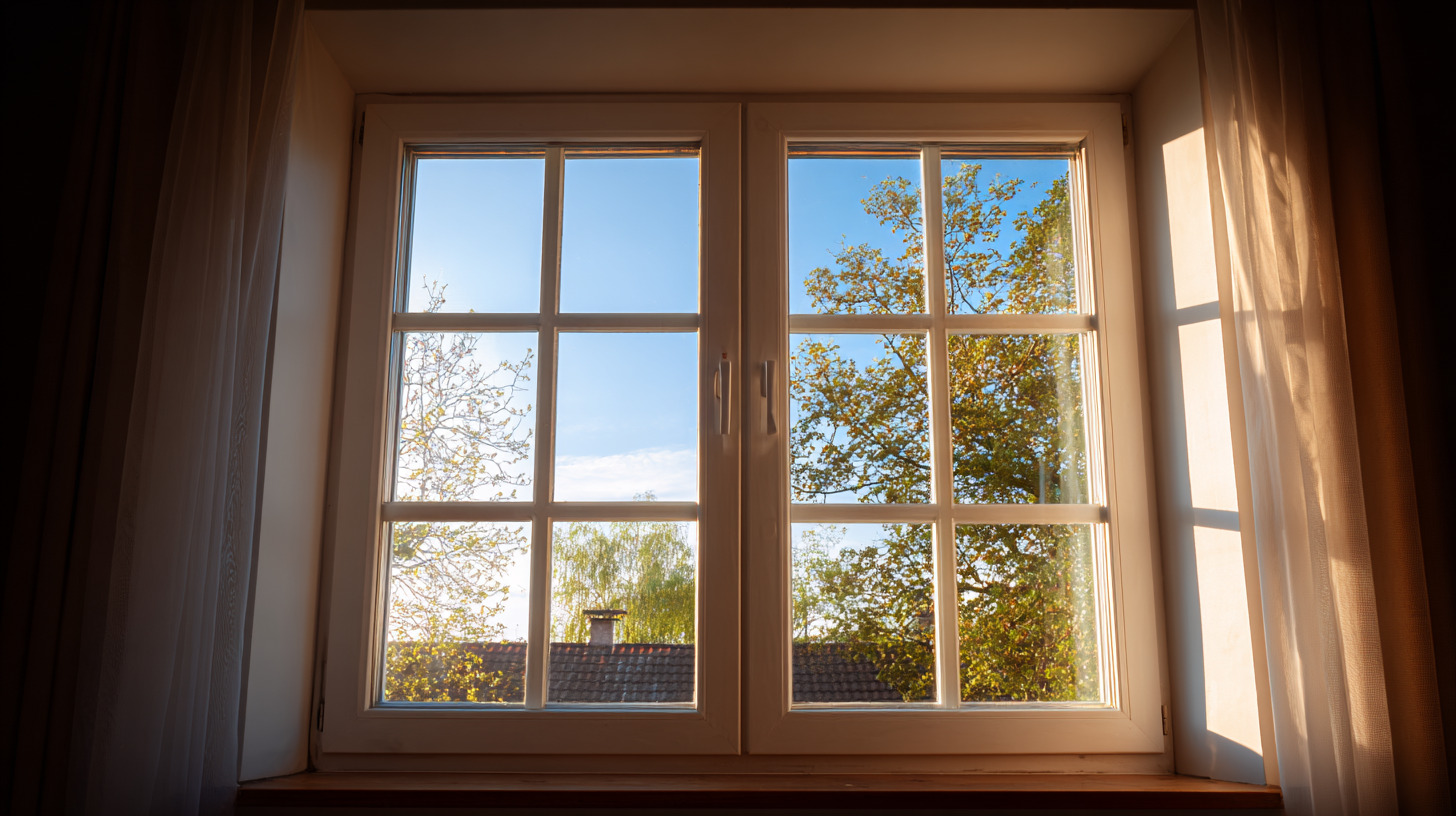
However, triple glazing takes energy efficiency a step further by using three panes of glass, often filled with argon or krypton gas. Reports from the International Energy Agency indicate that triple-glazed windows can reduce heat loss by nearly 30% more than their double-glazed counterparts, yielding a U-factor as low as
0.15. This added efficiency not only contributes to lower energy bills but also enhances indoor comfort, reducing drafts and maintaining a more stable indoor temperature.
Investing in triple glazing could be particularly beneficial in extreme climates where both heating and cooling demands are high, ultimately leading to greater energy savings and increased home comfort.