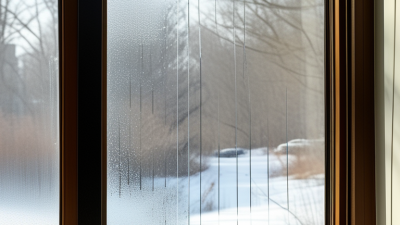
How to Choose Quality Home Windows for Your Home?
Choosing new windows is not only a design decision. It affects comfort, energy use, noise, security, and long-term maintenance. Quality home windows should suit your climate, wall structure, daily habits, and budget. A beautiful frame may still perform poorly if it leaks air around the installation.
Start with the conditions around your home. In a cold region, low U-factor glass can help reduce heat loss. In a sunny climate, a suitable solar heat gain coefficient may limit overheating. Look for tested ratings from recognized certification bodies, and compare air leakage, water resistance, and visible transmittance. These figures offer more useful evidence than a sales label alone. However, ratings do not tell the whole story. Installation quality matters greatly. Even premium glass can fail when the opening is measured poorly or flashing is skipped.
Inspect the sample in person. Open and close it several times. Notice whether the lock feels firm, the sash moves evenly, and the seals sit without gaps. Ask about warranty coverage, replacement parts, cleaning needs, and the installer’s documented experience. Local references can reveal problems that brochures hide. We should be honest here: no window is perfect, and the cheapest option may become expensive after repeated repairs. A careful choice balances performance, appearance, verified testing, and realistic maintenance. The right window should feel quiet on a windy evening, not merely look impressive on delivery day.
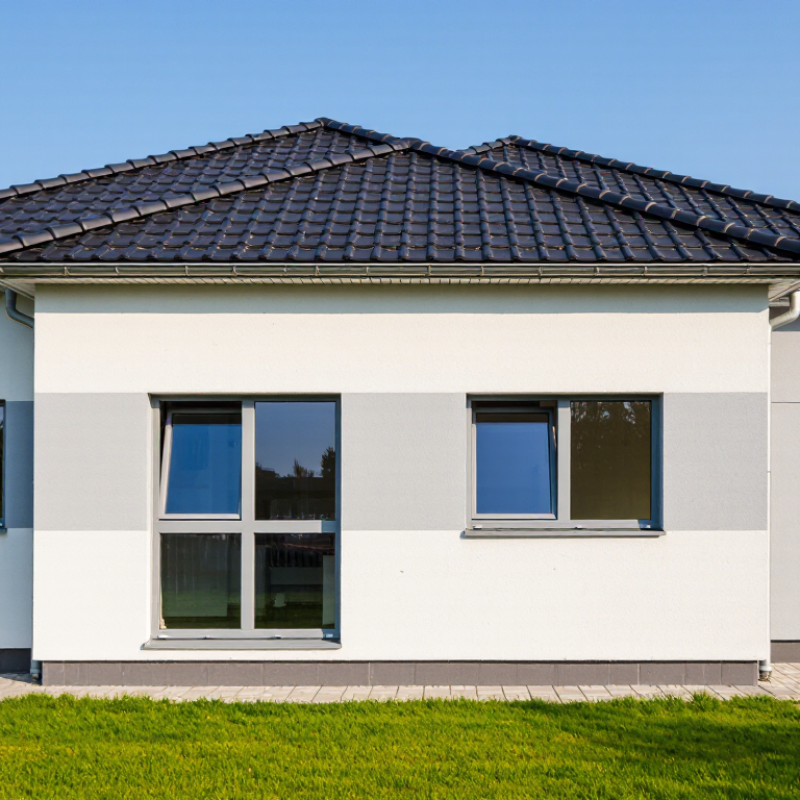
Window Performance Basics: U-Factor, SHGC, VT, and Air Leakage Ratings
Choosing quality home windows starts with four ratings, not appearance alone. U-factor measures heat transfer through the window; lower values usually improve insulation. The U.S. Department of Energy reports that windows can cause 25–30% of residential heating and cooling energy use (DOE, Energy Saver). In a cold climate, a low U-factor can make a glass surface feel less chilly. However, the lowest number is not always the best choice.
SHGC shows how much solar heat enters, from zero to one. Lower SHGC can reduce summer cooling, while higher SHGC may help passive winter heating. Visible Transmittance, or VT, indicates how much daylight passes through the glass. A higher VT may brighten a hallway, but it can also increase glare. NFRC defines these ratings as standardized performance measurements, allowing fair comparisons between products (NFRC, Fenestration Product Ratings).
Air leakage is measured in cubic feet per minute per square foot at 75 pascals. Lower leakage means fewer drafts. ENERGY STAR Version 7.0 uses an air-leakage limit of 0.3 cfm/ft² for qualifying residential windows (EPA, ENERGY STAR Residential Windows, Doors, and Skylights). Installation still matters. I have seen a well-rated window perform poorly after careless flashing. Check frame alignment, perimeter seals, and local climate requirements. Ratings help, but workmanship can quietly change the result.
How to Choose Quality Home Windows for Your Home?
Window performance basics include U-Factor, SHGC, VT, and Air Leakage. The chart compares representative residential window ratings; lower U-Factor and Air Leakage indicate better insulating and sealing performance, while SHGC and VT should be selected according to climate, sunlight, and daylight needs.
U-Factor: Btu/h·ft²·°F, lower is better. SHGC and VT: decimal ratings from 0 to 1, where higher values transmit more solar heat or visible light. Air Leakage: cfm/ft² at 1.57 psf, lower is better. Values shown are representative examples within commonly published residential performance ranges; check the NFRC label for product-specific ratings.
Frame Materials Compared: Vinyl, Wood, Fiberglass, and Aluminum Performance
How to Choose Quality Home Windows for Your Home?
Frame materials strongly affect comfort, maintenance, appearance, and long-term value. Vinyl frames resist moisture and never need painting. They also provide dependable insulation at a moderate cost. However, dark vinyl can expand noticeably in intense sunlight. Precise installation becomes essential.
Wood remains attractive in older homes and can offer excellent natural insulation. Its warm surface feels different beside a cold winter window. Yet wood requires regular sealing, especially near wet climates. A small leak around the sill can eventually cause swelling or rot. I have seen beautiful frames neglected because homeowners underestimated this maintenance.
Fiberglass frames are rigid, dimensionally stable, and effective across large temperature changes. They usually hold paint well and need limited upkeep. Their higher purchase price may be reasonable for wide openings or demanding climates. Aluminum is strong, slim, and useful for modern designs. Standard aluminum, however, conducts heat quickly. Look for insulated frames with thermal breaks, or indoor surfaces may feel cold.
Do not judge the frame alone. Compare the whole window’s U-factor, solar heat gain coefficient, glass spacing, drainage, and installation details. A premium frame can perform poorly when flashing is incomplete. This is often overlooked. My own preference has changed after seeing installation errors outweigh material differences. Consider sunlight, humidity, cleaning habits, and repair access before choosing. Sometimes the practical option is less beautiful, but easier to live with.
Glass Selection Guide: Double vs. Triple Glazing and Low-E Coatings
How to Choose Quality Home Windows for Your Home?
Glass selection affects comfort, energy use, and indoor noise. Double glazing uses two glass panes with an insulating gap. It suits many moderate climates and usually costs less. Triple glazing adds another pane and gap. It can improve insulation, but the frame becomes heavier and the price rises.
Check the U-value, not only the pane count. A lower U-value usually means better resistance to heat loss. Solar heat gain matters too. South-facing windows may benefit from controlled solar gain, while west-facing glass can create harsh afternoon heat. Low-E coatings help manage radiant heat without making the room feel dark. Some coatings keep warmth inside during winter. Others reduce summer heat. Ask which surface carries the coating.
Small details matter. Warm-edge spacers can reduce cold borders around the glass. Argon-filled gaps may improve performance when sealed correctly. Yet good glass cannot fix poor installation. During a renovation, I would inspect the sill, flashing, and air seals before judging the window. Triple glazing also needs strong hardware and a suitable frame. I once focused too much on glass performance and underestimated the wall opening. That mistake changed the final result. Energy ratings are useful, but climate, orientation, ventilation, and budget must be considered together. A window should perform well in the actual room, not only on a specification sheet.
Sizing and Installation Standards: NFRC Labels, Flashing, and Air Sealing
How to Choose Quality Home Windows for Your Home?
A quality window begins with accurate sizing, not a large glass area. Measure the rough opening at several points, then record the smallest width and height. Leave the manufacturer’s recommended installation gap. A tight fit can distort the frame and damage the sash. Measure twice. I have seen replacement windows ordered from one measurement, creating expensive trim problems later.
Check the NFRC label before comparing products. It reports U-factor, solar heat gain coefficient, visible transmittance, air leakage, and condensation resistance. Lower U-factor generally indicates better insulation. The U.S. Department of Energy reports that air leakage can represent 25–40% of a home’s heating and cooling energy use. Therefore, air sealing deserves the same attention as glass performance. A perfect label cannot rescue a careless opening.
Flashing should direct water outward, never behind the wall assembly. Install sill flashing first, then integrate jamb and head flashing with the weather-resistive barrier. Follow the applicable building code and the window manufacturer’s tested instructions. Seal the interior perimeter with low-expansion foam designed for windows, avoiding pressure that bows the frame. Seal the exterior with a compatible backer rod and sealant where required. NFRC ratings are laboratory values; field installation can perform differently. That gap deserves honest inspection. The U.S. Department of Energy’s Building America guidance also emphasizes continuous drainage, flashing, and controlled air sealing around rough openings.
Energy Star Criteria and Climate-Zone Ratings for Efficient Home Windows
Choosing quality home windows starts with more than frame color or showroom appearance. Energy-efficient windows should meet current ENERGY STAR criteria for your climate zone. These criteria commonly consider U-factor, solar heat gain coefficient, visible transmittance, and air leakage. A lower U-factor usually means better insulation. SHGC needs more judgment. In cold regions, a higher value can capture useful winter sunlight. In hot regions, a lower value can reduce unwanted indoor heat.
I have seen a well-rated window perform poorly because it was installed with gaps around the frame. On a windy evening, the curtains moved slightly near the sill. That small detail revealed air leakage. Ask the installer about flashing, insulation, drainage, and indoor humidity control. The product label should show tested performance, not vague claims. Check the current regional requirements, because ratings and efficiency standards can change.
Climate-zone guidance is useful, but it cannot replace site-specific thinking. A shaded north-facing window may need different glass from a large west-facing window above a sunny patio. In humid areas, condensation resistance matters during cool mornings. In dry, hot areas, glare and solar gain may matter more. My own mistake was focusing too heavily on insulation and overlooking daylight. The room stayed comfortable, but it felt darker than expected. Compare orientation, glass coatings, frame materials, and installation details before choosing.
How to Choose Quality Home Windows for Your Home?
ENERGY STAR Criteria and Climate-Zone Ratings for Efficient Home Windows
| Climate-Zone Rating |
Typical Climate Conditions |
Maximum U-Factor |
Maximum SHGC |
Recommended Window Features |
Practical Selection Guidance |
| Northern |
Cold winters; heating demand is generally greater than cooling demand. |
≤ 0.27 |
No maximum specified |
Low-U-factor glazing, insulated frames, tight weatherstripping, and properly installed low-emissivity glass. |
Prioritize a low U-factor to reduce heat loss. A higher SHGC may be useful on well-oriented, shaded-risk-free south-facing windows when winter solar heat is desirable. |
| North-Central |
Cold winters with warm or moderately hot summers; both heating and cooling efficiency matter. |
≤ 0.30 |
≤ 0.40 |
Balanced low-U-factor and moderate-solar-gain glazing, insulated frames, and effective air sealing. |
Choose products that limit winter heat loss while controlling summer solar gain. Exterior shading can further reduce overheating. |
| South-Central |
Hot summers with substantial cooling demand and relatively mild winters. |
≤ 0.30 |
≤ 0.23 |
Low-solar-gain glazing, low-emissivity coatings, insulated frames, and strong control of air leakage. |
Prioritize a low SHGC to reduce solar heat entering the home, especially on east-, west-, and unshaded south-facing windows. |
| Southern |
Very warm or hot conditions with cooling demand dominant for much of the year. |
≤ 0.40 |
≤ 0.23 |
Low-solar-gain glazing, durable weather seals, moisture-resistant installation details, and frames suited to high heat and humidity. |
Focus on limiting solar gain and air leakage. Use roof overhangs, awnings, blinds, or other shading where practical. |
| Quality Metric |
What the Rating Means |
Preferred Direction |
Why It Matters When Choosing Windows |
| U-Factor |
Measures the rate of heat transfer through the complete window assembly. |
Lower is better |
A lower U-factor generally improves insulation performance and reduces heat loss during cold weather. |
| Solar Heat Gain Coefficient (SHGC) |
Measures the fraction of solar radiation admitted through the window. |
Lower for hot climates; moderate or higher may help in cold climates |
SHGC should be selected according to climate, window orientation, exterior shading, and the home's heating and cooling needs. |
| Visible Transmittance (VT) |
Indicates how much visible daylight passes through the glazing. |
Balance daylight and glare |
Higher VT can provide more natural light, but excessive daylight may increase glare. Compare VT with SHGC rather than choosing it alone. |
| Air Leakage |
Measures the amount of air passing through joints in the window assembly under a standard pressure difference. |
Lower is better |
Low air leakage can improve comfort and reduce drafts. Installation quality is essential because gaps around the frame can undermine the rated performance. |
| Condensation Resistance |
Indicates how well a product resists interior surface condensation under standardized test conditions. |
Higher is better |
A higher rating may be useful in cold or humid conditions, although indoor humidity, ventilation, and thermal bridges also affect condensation. |
| Frame and Glazing Construction |
Includes the frame material, number of glazing layers, gas fill, spacers, and edge sealing. |
Choose components suited to the climate |
Double glazing is common for efficiency; triple glazing can provide additional insulation in severe cold when its cost and weight are appropriate. |
| Installation and Drainage |
Describes how the window is sealed, flashed, fastened, and integrated with the wall system. |
Continuous air and water control |
Correct installation helps prevent drafts, water intrusion, and premature deterioration. Follow the manufacturer's installation instructions and local building requirements. |
How to use this table: Compare the complete-window U-factor and SHGC shown on the product performance label, not only the center-of-glass values. The climate-zone thresholds above reflect ENERGY STAR® Residential Windows, Doors, and Skylights Version 7.0 criteria. Local building codes, orientation, shading, window size, and professional energy assessments should also be considered.