What Type of Premium Windows Is Best?
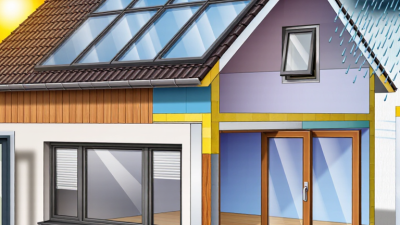
Choosing the best premium windows is less about selecting the highest price and more about matching performance to your home, climate, and installation quality. The U.S. Department of Energy estimates that heat gain and heat loss through windows account for about 25%–30% of residential heating and cooling energy use. That makes frame material, glass construction, and air leakage practical considerations—not just showroom details. A cold-climate home may benefit from different glazing than a sun-exposed house in a warmer region.
Look beyond labels such as “luxury” or “high-performance.” The National Fenestration Rating Council (NFRC) provides independent ratings for factors including U-factor and solar heat gain coefficient, helping buyers compare products on consistent terms. ENERGY STAR certification can also narrow the field, though the applicable criteria vary by climate zone and product type. Small details matter: a low U-factor may reduce heat transfer, while carefully chosen solar-gain performance can help manage strong afternoon sun. Installation matters, too. A premium unit fitted poorly may leak air or water, and even the best specification cannot fix that.
There is no universal winner. Wood, fiberglass, aluminum, and composite frames each bring different trade-offs in appearance, upkeep, durability, and cost. Some manufacturers emphasize impressive ratings, but those numbers do not tell the whole story. They do not predict every room’s comfort or every installer’s workmanship. A sensible comparison weighs verified ratings, warranty terms, local climate, and the condition of the existing opening. This guide examines which premium windows suit different priorities—and where the evidence leaves room for judgment.
What Defines a Premium Window?
What Type of Premium Windows Is Best?
What Defines a Premium Window?
A premium window is defined by performance, not an impressive price tag. It should control heat, sunlight, noise, and drafts consistently. During a careful inspection, technicians examine frame joints, locking points, seals, and drainage paths. Small gaps often reveal more than polished showroom displays.
Reliable windows usually combine strong frames, insulated glass, low-emissivity coatings, and durable weatherstripping. The U-factor indicates how quickly heat passes through the window. A lower number generally means better insulation. Solar heat gain ratings also matter, especially in rooms facing strong afternoon sun. Hardware should feel firm, operate smoothly, and remain secure after repeated use.
Details matter.
A genuinely premium design also supports proper installation. Even excellent glass can underperform when the opening is poorly measured or sealed. Experienced installers check the wall condition before fitting anything. They use compatible flashing, insulation, and sealants, rather than relying on caulk alone. This practical step is often overlooked.
No window is perfect. A highly insulated unit may reduce airflow, while a large glass area can still feel warm in direct sunlight. Noise reduction also depends on walls, vents, and nearby traffic. The best choice balances climate, orientation, maintenance, and budget. Sometimes, a simpler window installed correctly performs better than an expensive model installed carelessly.
How Do Window Styles Affect Performance?
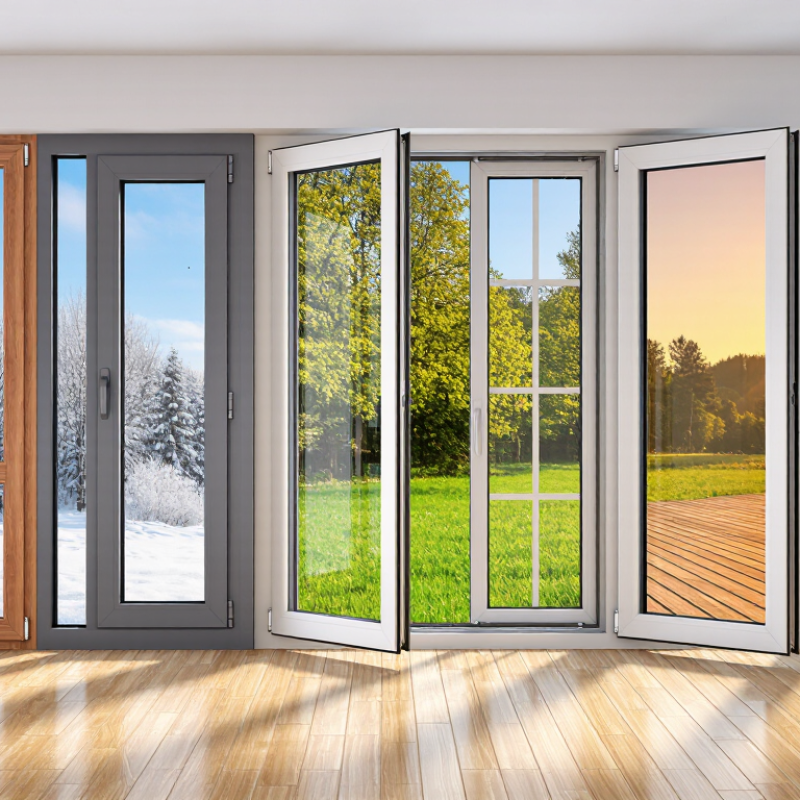
Window style affects how well a premium window manages air, water, light, and everyday use. Casement windows hinge outward and press against their frame when closed. That tight contact can help limit drafts, provided the hardware and weatherstripping are properly adjusted. On a windy afternoon, a loose latch may still let cold air slip around the sash.
Double-hung windows open from the top, bottom, or both. They suit rooms where controlled ventilation matters, such as bedrooms with furniture near the wall. Their sliding tracks need occasional cleaning, since dust can interfere with smooth operation. A small detail, but an easy one to overlook. Sliding windows save space because their panels move sideways. However, only part of the opening can provide ventilation at a time, and worn tracks may affect the seal.
Fixed windows do not open, so they can offer strong air sealing and broad views. They work well beside operable windows, balancing daylight with fresh-air access. The best choice depends on room layout, local weather, and how often occupants want to open a window. It is worth admitting that attractive hardware does not guarantee good performance. Frame material, glass selection, installation quality, and routine maintenance matter just as much as style.
What Type of Premium Windows Is Best? How Do Window Styles Affect Performance?
Representative performance benchmarks for premium double-glazed windows. Lower U-factor and lower air leakage generally indicate better thermal efficiency and comfort. Actual results vary by glass package, frame material, size, and installation quality.
Casement and awning windows typically perform well because their compression seals close tightly. Fixed windows usually provide the lowest air leakage, while sliding and double-hung styles may have higher leakage because their sashes move along tracks.
What Factors Matter When Comparing Premium Windows?
What Type of Premium Windows Is Best?
When comparing premium windows, start with your home’s climate and the room’s purpose. A sunny south-facing room may benefit from glass that limits unwanted heat gain. In a cold region, low heat transfer can help keep indoor temperatures steadier. Ask for the window’s performance ratings, not just a general claim of efficiency. Small differences matter.
Frame material affects insulation, upkeep, appearance, and cost. Consider how it handles local weather and whether you are comfortable repainting or cleaning it over time. Glass deserves equal attention: double or triple panes, gas fills, and low-emissivity coatings can change comfort and energy performance. Yet more layers are not automatically better for every house. Compare the ratings against your climate and budget.
Check air leakage, sound control, hardware, and expected maintenance. If traffic noise is a concern, ask how the specific glass and frame combination performs; pane thickness and spacing can make a difference. Installation quality matters, too. A high-performing window can still leak air if the opening is measured or sealed poorly. Request a written scope covering flashing, insulation, and trim details. I would also compare warranties carefully, though warranty language can be harder to judge than a clear performance label. Touch the handles and inspect the corners. Details show.
How Can You Choose the Best Premium Window for Your Home?
Choosing a premium window starts with your climate, not the frame’s appearance. In a cold region, compare U-factor ratings; lower values indicate less heat transfer. In a sunny climate, solar heat gain coefficient (SHGC) matters more. A lower SHGC can limit unwanted summer heat, though it may also reduce useful winter warmth. Check ratings from the National Fenestration Rating Council, then compare products with similar sizes and glass configurations. Details matter.
Look closely at the installation plan, too. Even a high-performing window can leak air if the opening is poorly sealed. Ask how the installer will handle flashing, insulation, and interior trim, and request the same details in writing. The U.S. Department of Energy reports that replacing single-pane windows with ENERGY STAR-certified models saves an average of about 12% on household energy bills nationwide. That figure is a broad estimate, not a promise for every home. Existing window condition, local weather, and energy prices affect results. Measure the rooms, note drafts near each sill, and compare the warranty and maintenance requirements. I once focused too much on glass ratings; installation quality deserved equal attention. A small oversight.