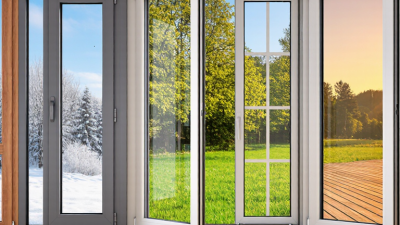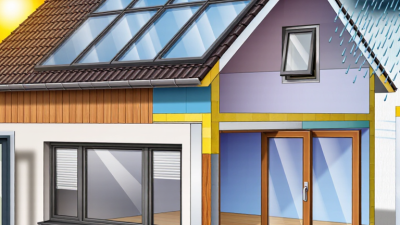
7 Tips for Choosing Great Windows for Global Buyers?

Choosing great windows for a global project involves more than comparing attractive frames and low prices. Climate, building design, shipping conditions, and installation standards all influence performance. A window that works well in a mild coastal town may fail in a hot, dusty inland region.

This guide introduces seven practical tips for international buyers. It examines glass selection, frame materials, energy performance, weather resistance, certifications, supplier communication, and installation support. Buyers should request technical data, warranty terms, and independent test reports before placing an order. Clear evidence matters more than polished product photos.

Details can change the result. A triple-glazed unit may improve insulation, but its weight could require stronger hardware and careful handling. A narrow frame may increase daylight, yet it might reduce structural strength in harsh wind zones. Local installers also understand drainage, sealing, and seasonal movement better than distant sales teams.

Even experienced buyers can overlook small issues. A missed measurement or unclear delivery responsibility may create expensive delays. Some recommendations in this guide require adjustment for local codes, climate, and project budgets. There is no universal best window. The right choice balances comfort, durability, verified performance, and practical maintenance. With careful questions and realistic expectations, global buyers can select windows that remain dependable long after installation.

7 Tips for Choosing Great Windows for Global Buyers?

Define Your Window Needs, Budget, and Project Priorities

7 Tips for Choosing Great Windows for Global Buyers

Define Your Window Needs, Budget, and Project Priorities

Start with the room. Decide whether you need daylight, ventilation, privacy, noise control, or stronger security. A bedroom beside a busy road needs different performance from a bright kitchen. Write these priorities down before requesting quotations.

Measure twice. Record each opening’s width, height, wall depth, and opening direction. Small measurement errors can create expensive installation problems. Consider your local climate, too. Coastal air, heavy rain, strong sunlight, and freezing temperatures affect frame materials and glass choices. Ask an experienced installer about local building requirements and safe installation methods.

Set a complete budget, not only a product price. Include delivery, removal, installation, finishing, taxes, and possible repairs. Compare energy performance, maintenance needs, expected service life, and replacement parts. A lower quotation may become costly after installation. I have seen buyers focus on appearance first, then regret ignoring drainage or ventilation. That mistake is easy to make.

Choose materials that fit your maintenance habits. Inspect seals, hardware, corner joints, and drainage paths carefully. Request clear performance documents, warranty conditions, and installation responsibilities. Confirm whether the supplier can support your region after delivery. Keep written measurements and agreed specifications. Priorities sometimes change during construction, so leave a small budget reserve. Perfect planning is rare. Better records reduce avoidable surprises.
Match Window Design and Materials to the Local Climate

Great windows begin with local weather, not showroom appearance.

The U.S. Department of Energy estimates that windows cause 25–30% of residential heating and cooling energy use. That figure makes climate matching a practical decision. In cold regions, choose low U-factor glazing, insulated frames, and tight weather seals. In hot climates, lower solar heat gain coefficient glass can reduce afternoon heat. Orientation matters too. A west-facing window receives harsh late-day sunlight.

Moist coastal areas need corrosion-resistant hardware, durable coatings, and drainage paths that remain clear after wind-driven rain. In humid regions, poor installation can trap condensation around the frame. Field inspections often find this problem before the glass fails.

Dry, high-altitude locations may require strong ultraviolet resistance and careful attention to air leakage. For storm-prone areas, verify tested impact resistance and pressure ratings. Local building requirements should guide every specification.

Material choice changes with exposure.

Thermally improved metal frames suit many modern projects, but they may need stronger thermal breaks in cold climates.

Wood offers warmth and insulation, yet it demands disciplined moisture protection.

Composite materials can reduce maintenance, although performance varies by formulation.

The National Fenestration Rating Council stresses comparing certified U-factor and solar heat gain values, rather than relying on labels alone.

The details are easy to overlook. Measure the opening accurately, inspect the sill condition, and confirm installer experience. A beautiful window can still perform poorly when the surrounding wall is wet or poorly sealed.

Compare Glass Types, Energy Performance, and Sound Control

Choosing windows for an international project requires more than comparing frame colors. Glass selection affects comfort, energy use, daylight, and privacy. I have seen attractive windows perform poorly because their glass was chosen without considering the local climate.

Double glazing suits many homes, while triple glazing can improve insulation in colder regions. Low-emissivity coatings help reduce heat transfer, but their value depends on orientation and weather. In hot climates, solar-control glass can limit afternoon heat near west-facing rooms. Clear glass may provide more daylight, yet it can increase cooling demand. Small details matter.

Sound control needs a separate evaluation. Laminated glass can reduce traffic noise, especially when combined with different pane thicknesses. A wider air space may help, but installation quality remains critical. Gaps, weak seals, and poorly fitted frames can undermine expensive glass. Ask for tested acoustic ratings, not vague promises. Standards also vary between countries, so technical documents should be checked locally.

I once assumed thicker glass always meant better performance. That was too simple. Window size, frame design, ventilation, and surrounding buildings can change the result. Request heat-transfer data, solar-gain values, and sound measurements for the complete window unit. Samples are useful, but real conditions may still differ. A quiet showroom cannot reproduce a busy roadside or a humid coastal morning.

Verify Safety Standards, Certifications, and Installation Requirements

Global window buyers should treat safety evidence as a purchasing requirement, not a final paperwork task. Ask for current test reports, certification numbers, and the exact product configuration tested. Verify whether the documents cover glass type, frame material, size, hardware, and opening style. A certificate alone is not enough. Check its issuing body, validity date, test method, and market scope. Standards differ across regions, so confirm applicable requirements with a local building professional or authority.

Review impact resistance, fire performance, emergency escape dimensions, child-safety features, and glass markings. Tempered or laminated glass may be required near floors, doors, or wet areas. Details matter. A beautifully finished window can still fail if its safety glass is incorrectly positioned. Request installation drawings showing anchors, sill support, drainage paths, flashing, insulation, and sealant joints. Measure the rough opening carefully; a few millimeters can affect waterproofing and operation.

Installation requirements deserve the same attention as the window itself. Confirm wall conditions, wind exposure, climate, moisture control, and local energy rules before ordering. Use trained installers who can document the work with photographs and inspection records. Some buyers overlook this step. I would not repeat that mistake. Factory instructions may also conflict with local construction practice, so resolve differences in writing before installation. Keep invoices, reports, labels, and maintenance guidance together for future inspections.

7 Tips for Choosing Great Windows for Global Buyers

Verify Safety Standards, Certifications, and Installation Requirements

Use the chart below as a practical reference when checking emergency-escape window specifications. These dimensions come from the 2021 International Residential Code (IRC) for U.S. residential projects; buyers in other countries should confirm the equivalent local requirements before ordering.

Reference: IRC 2021 Section R310. Emergency escape and rescue openings generally require a minimum clear width of 20 inches, a minimum clear height of 24 inches, and a maximum sill height of 44 inches above the floor. The required net clear opening area must also be verified separately.

Buyer checklist: Confirm local safety codes, request applicable test reports or certifications, verify glass-safety requirements, check thermal and weather-performance ratings, review opening dimensions, confirm installation details and drainage, and use qualified installers familiar with local building practices.

Assess Suppliers, Warranties, Customization, and Long-Term Support

Choosing Great Windows: Supplier, Warranty, Customization, and Support

A dependable supplier should provide factory details, product specifications, and recent project references. Ask for evidence. Request test reports for air leakage, water resistance, wind load, and thermal performance. These documents should match the proposed window system, not a similar model. A video call can reveal production controls, packaging methods, and quality inspection routines. Local installation experience also matters, because excellent windows can fail after poor fitting.

Read the warranty before approving the purchase. Check its duration, covered components, exclusions, response times, and claim process. Glass, hardware, seals, finishes, and installation may have different coverage. Some warranties look generous but exclude coastal exposure or improper maintenance. That is easy to overlook. Ask who pays for replacement parts and international transport. Written answers are safer than informal promises.

Customization should begin with accurate drawings and a clear performance target. Confirm sizes, opening directions, frame materials, glazing thickness, colors, screens, and drainage details. Request a sample corner or small mock-up when the project is complex. Then test how it operates. Long-term support includes spare hardware, maintenance instructions, replacement seals, and technical guidance across time zones. Support should continue. However, no supplier is perfect, and buyers should record risks honestly. A slightly slower response today may reveal a stronger, more dependable service process later.

7 Tips for Choosing Great Windows for Global Buyers? - Assess Suppliers, Warranties, Customization, and Long-Term Support

No. Selection Tip What to Assess Practical Benchmark or Evidence Buyer Action Warning Sign
1 Verify Supplier Capability Review manufacturing experience, production capacity, quality-control procedures, export documentation, and references for projects with similar climate and building requirements. A documented quality-management process, traceable batch records, inspection reports, and verifiable project references are stronger evidence than a product catalog alone. Request a factory audit, recent test reports, sample specifications, and a written production schedule before placing a large order. Unclear manufacturing location, inconsistent specifications, or refusal to provide documents.
2 Compare Energy Performance Compare whole-window U-value, solar heat-gain coefficient or g-value, visible transmittance, air leakage, water resistance, and thermal-bridge details. Lower U-value generally indicates better insulation. The correct target depends on local climate, glazing area, heating or cooling demand, and applicable building codes. Compare complete window test data—not center-of-glass data—and confirm the units, test method, frame type, glazing, and window size. Only generic claims such as “energy saving” without whole-window values or test conditions.
3 Check Standards and Testing Confirm that the product has been tested for structural performance, air permeability, watertightness, thermal performance, safety glazing, and local regulatory compliance. Test reports should identify the exact profile, hardware, glass build-up, dimensions, laboratory, test date, and applicable standard. Requirements differ by country and project type. Provide the project location and ask for compliance documents before finalizing the design or quotation. A certificate applies to a different model, size, glazing configuration, or production site.
4 Evaluate Customization Assess available dimensions, opening styles, frame materials, glazing combinations, colors, hardware, screens, grilles, drainage, and installation interfaces. Customization should be confirmed through approved drawings, section details, hardware schedules, glass specifications, and documented maximum sash sizes and weights. Submit a complete window schedule with tolerances, handing, rough-opening sizes, performance targets, and required accessories. Verbal customization promises that are missing from the quotation or technical drawings.
5 Read the Warranty Carefully Review coverage for frames, insulated-glass-unit seal failure, finishes, hardware, screens, labor, shipping damage, and replacement parts. Warranty periods and exclusions vary widely. A useful warranty states the duration, claim process, geographic scope, remedy, installation conditions, and maintenance responsibilities. Obtain the full warranty document and confirm whether coverage begins at shipment, delivery, installation, or handover. Short marketing statements with no written terms, exclusions, or cross-border claim procedure.
6 Plan Logistics and Installation Consider packaging, container loading, delivery terms, customs documents, unloading equipment, storage, installation tolerances, and local installer capability. The purchase plan should define Incoterms, package labeling, inspection points, damage-reporting deadlines, spare-parts quantities, and installation instructions. Approve a packing list and loading photos, inspect goods promptly on arrival, and use trained installers familiar with the specified system. No agreed responsibility for transit damage, missing items, customs paperwork, or installation defects.
7 Measure Long-Term Support and Total Cost Assess spare-parts availability, technical response time, maintenance requirements, replacement-glass compatibility, software or documentation support, and total lifecycle cost. A dependable support plan includes a named contact, maintenance instructions, parts identification, service escalation, and a stated method for handling discontinued components. Compare purchase price together with freight, duties, installation, energy use, cleaning, repairs, and expected replacement costs. Lowest initial price but no parts plan, technical contact, maintenance guide, or after-sales process.

Note: Performance targets, certifications, warranty terms, and installation requirements must be verified against the destination country's regulations, climate, project specifications, and contract conditions.